

8 Essential Questions About Sleep Apnea and DOT Compliance
Prepare for a DOT medical exam with sleep apnea: understand medical certification, treatment records, and the difference between guidance and federal requirements.
By EASYLONGER · Jan 2, 2025 ·
Quick answer: Use this guide for education and for preparing questions for your clinician. Sleep-apnea symptoms, diagnosis, PAP settings, and treatment decisions should be reviewed with a qualified healthcare professional.

Quick Overview: Sleep apnea can significantly impact your driving ability, and understanding the DOT compliance requirements is crucial for truck drivers. While there are no mandatory federal tests for sleep apnea, the FMCSA emphasizes that any medical condition hindering safe driving can lead to disqualification. Effective treatment can support medical certification to drive. Here's everything you need to know.
1. Will Sleep Apnea Disqualify Me From My CDL?
Currently, federal regulations do not specifically address sleep apnea testing for commercial drivers, but the FMCSA makes it clear that any medical condition that can impair driving safety can result in disqualification. However, if sleep apnea is properly diagnosed and treated, drivers can regain their medical qualification to drive. Treatment options are generally effective, and most drivers can return to work after following the prescribed therapy.
2. Does the DOT Require Sleep Apnea Testing?
There is no federal law that mandates sleep apnea testing for truck drivers. However, the DOT does require all commercial drivers to undergo a medical examination to assess whether any health conditions may affect their ability to operate a vehicle safely. If a medical examiner suspects sleep apnea based on symptoms or risk factors, they may recommend testing. The examiner’s judgment will guide the decision to test for sleep apnea.
3. Will I Lose My CDL If I Test Positive for Sleep Apnea?
A sleep-apnea diagnosis does not automatically cancel a CDL. The medical examiner determines whether you meet the medical qualification standard for safe commercial driving. If treatment is needed, bring evidence that it is adequate, effective, safe, and stable; certification and licensing decisions are not the same process.
4. What Are the Common Symptoms of Sleep Apnea?
Sleep apnea symptoms that can trigger testing include:
- Excessive daytime sleepiness
- Loud, chronic snoring
- Witnessed breathing pauses while asleep
5. What Are the Main Risk Factors for Sleep Apnea?
Several risk factors can increase your likelihood of developing sleep apnea, including:
- Higher body mass index (BMI)
- A small or receding jaw
- Family history of sleep apnea
- Age (particularly over 40)
- Large neck size and other airway-related findings
6. How Can I Prepare for My DOT Medical Exam If I Have Sleep Apnea?
If you have diagnosed sleep apnea, bring your recent therapy-use reports and any documentation requested by your medical examiner. If you use more than one PAP machine, ask your equipment provider how to obtain reports from each device.
7. What Does CPAP Compliance Mean?
CPAP adherence reports show how consistently therapy is used. FMCSA regulations do not set a universal OSA treatment-compliance threshold, so do not treat four hours on 70% of nights as a federal DOT rule. Ask your medical examiner which reports are needed and follow your clinician’s prescribed use for all sleep periods.
8. How Can I Get Started with CPAP Therapy?
If you think you may have sleep apnea, start by consulting a doctor who can recommend a sleep study. Here's the typical process for starting CPAP therapy:
- Get the appropriate sleep test: Your clinician will determine whether you need laboratory polysomnography or a home sleep apnea test. Home testing is appropriate for selected uncomplicated adults; a negative or inconclusive home result may require a laboratory study.
- Undergo a Titration Study: If sleep apnea is diagnosed, a titration study may be performed to determine the appropriate CPAP pressure to keep your airway open.
- Get a Prescription: A prescription is necessary for obtaining a CPAP machine, as these devices are FDA-regulated medical equipment.
Staying proactive with your CPAP therapy is essential. If you encounter any issues or side effects with your device, seek advice from your doctor to ensure effective treatment.
Stay informed about sleep apnea and treatment options to ensure your driving eligibility. Keep up with your CPAP compliance, and always bring the necessary documentation to your DOT exams.
When to involve your care team
Contact your sleep clinician or equipment provider if symptoms continue, your mask leaks, treatment feels uncomfortable, or you are considering pressure or therapy changes. Do not use a blog post as a substitute for diagnosis or individualized medical advice.
Continue learning
Review the sleep-apnea library and the CPAP-therapy library for related education and practical questions to discuss with your care team.
Run the numbers for your CPAP.
Pick your machine and settings. The calculator shows nights for every battery.
Keep reading
 CPAP & sleep health
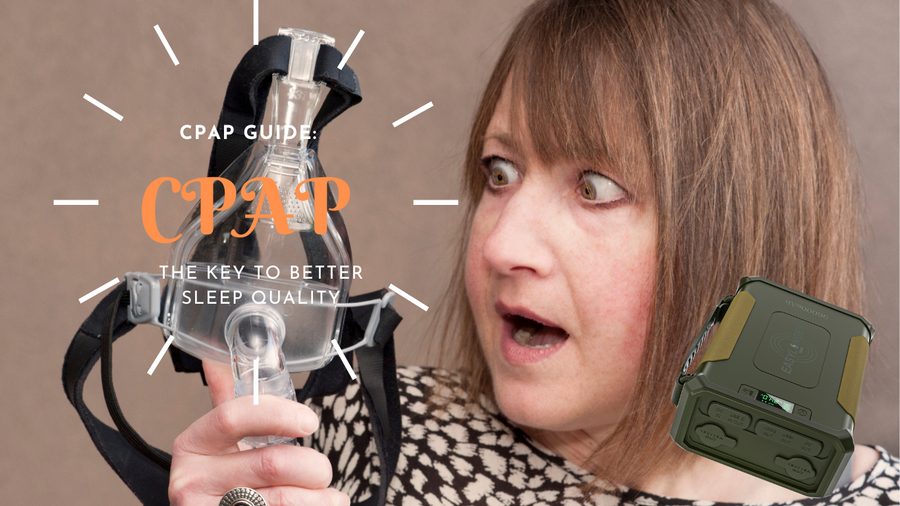
CPAP Guide: The Key to Better Sleep Quality
Review CPAP equipment basics and the role of a compatible ES960 backup battery for home outages and off-grid use.
Mar 14, 2025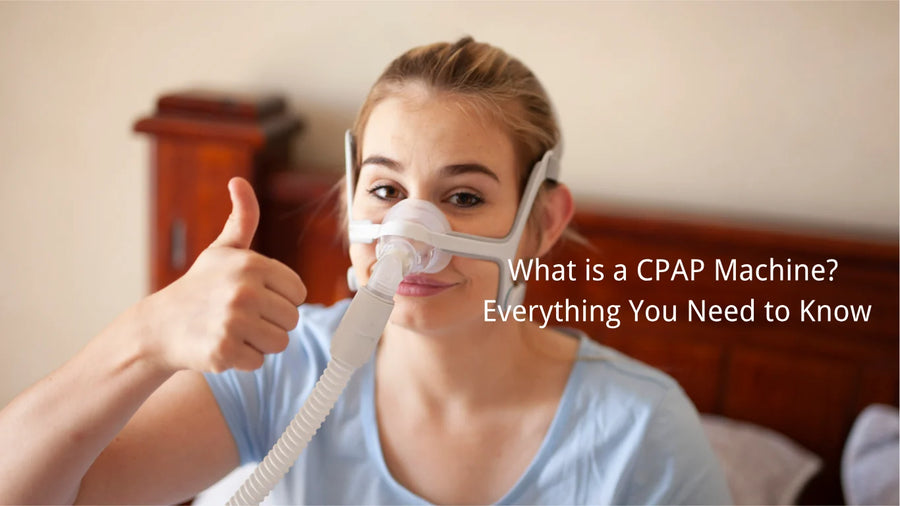 CPAP & sleep health
What is a CPAP Machine? Everything You Need to Know
Learn how a CPAP machine keeps the airway open, how its main components work, and where compatible backup power fits into your routine.
Feb 20, 2025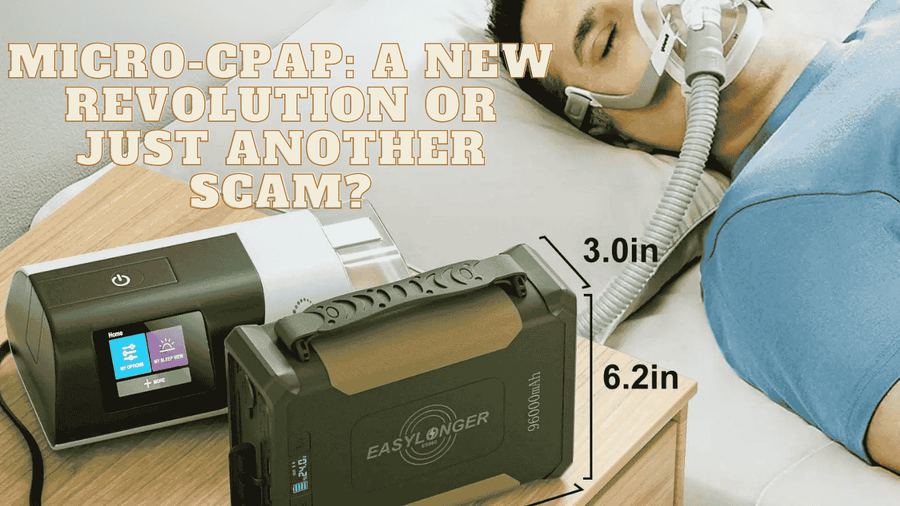 CPAP & sleep health
Micro-CPAP Claims: What to Verify Before Buying
Learn what to check behind micro-CPAP claims and how a documented travel CPAP system differs from a battery that powers your existing machine.
Jan 19, 2025