

What is a CPAP Machine? Everything You Need to Know
Learn how a CPAP machine keeps the airway open, how its main components work, and where compatible backup power fits into your routine.
By EASYLONGER · Feb 20, 2025 ·
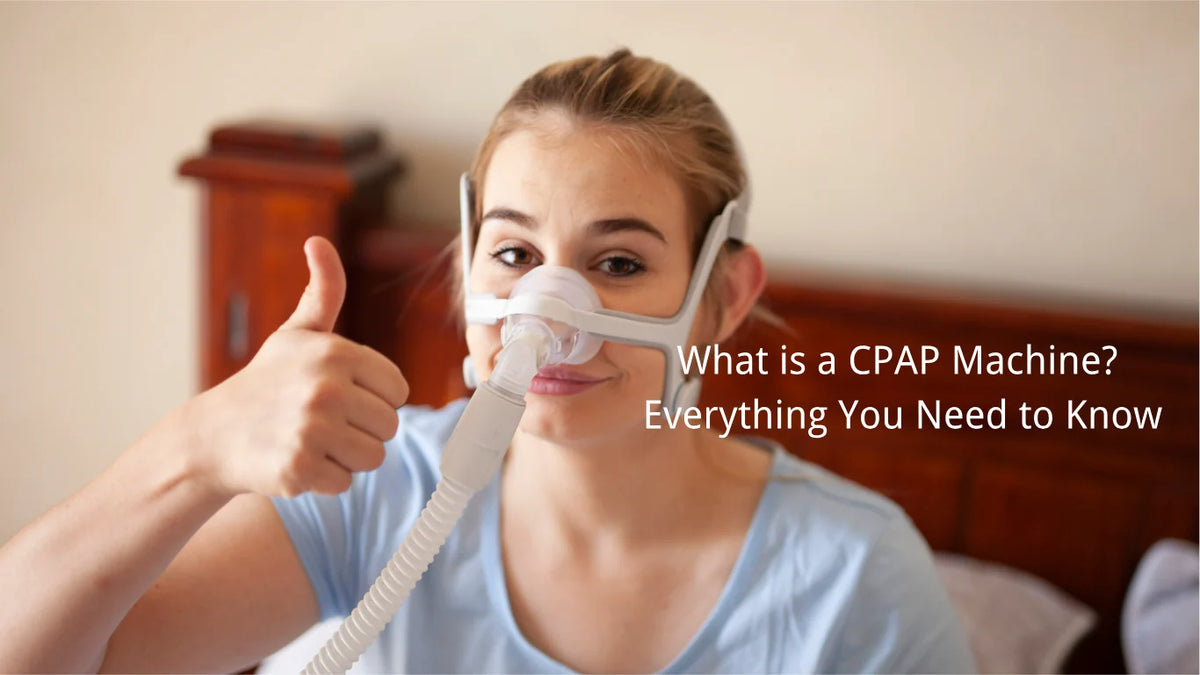
Quick answer: Use this guide for education and for preparing questions for your clinician. Sleep-apnea symptoms, diagnosis, PAP settings, and treatment decisions should be reviewed with a qualified healthcare professional.
You may have heard of a CPAP machine, especially if you or someone you know has sleep apnea. This machine helps people breathe normally during sleep. Here is what it does, how it works, and why it matters.
What is a CPAP Machine?
A CPAP (Continuous Positive Airway Pressure) machine helps people with sleep apnea keep airways open during sleep. Sleep apnea causes irregular or paused breathing while asleep. CPAP provides continuous airflow to prevent these pauses.
Think of a blocked straw—it is hard to sip. CPAP keeps the “straw” open so airflow does not stop.
How Does a CPAP Machine Work?
A CPAP has three main parts:
- The main unit: Generates air pressure and connects to power; sends air through a tube.
- The tube: Flexible hose carrying air from machine to mask.
- The mask: Worn over nose or mouth to deliver airflow.
Gentle air pressure keeps airways from collapsing, preventing breathing stops.
Why Do You Need a CPAP Machine?
1. The dangers of sleep apnea
Untreated sleep apnea lowers oxygen, causing fatigue, concentration issues, heart problems, and high blood pressure. CPAP helps maintain oxygen and protect health.
2. Better sleep quality
CPAP reduces wake-ups from breathing pauses, improving rest and next-day energy.
CPAP Battery: Backup Power for Outages and Travel
Power outages or travel can threaten therapy. A CPAP battery keeps your machine running at home or on the go.
Why Choose a CPAP Battery?
- Power outages: Stay powered in frequent outage areas with a CPAP battery.
- Traveling: Use a compatible battery where outlets are unreliable. For flights, choose a battery within the applicable watt-hour limit and confirm the airline’s carriage and in-flight-use policy. The linked 297.6Wh ES960 is for ground-based plans.
- Convenient and reliable: Compare dimensions and weight, then test the exact compatible setup for the intended duration.
How to Choose the Right CPAP Machine
Options include standard CPAP, auto-CPAP (APAP), and BiPAP. Each differs in pressure delivery. Consult a doctor or sleep specialist to pick the best fit for your condition.
What to do next
A CPAP machine delivers constant airflow to keep airways open, improving sleep and treating sleep apnea. Pair it with a dependable CPAP battery to stay powered through outages or travel.
With the right machine and battery, you can manage sleep apnea, sleep better, and wake refreshed. Work with your doctor to find the ideal setup.
When to involve your care team
Contact your sleep clinician or equipment provider if symptoms continue, your mask leaks, treatment feels uncomfortable, or you are considering pressure or therapy changes. Do not use a blog post as a substitute for diagnosis or individualized medical advice.
Continue learning
Review the sleep-apnea library and the CPAP-therapy library for related education and practical questions to discuss with your care team.
Run the numbers for your CPAP.
Pick your machine and settings. The calculator shows nights for every battery.
Keep reading
 CPAP & sleep health
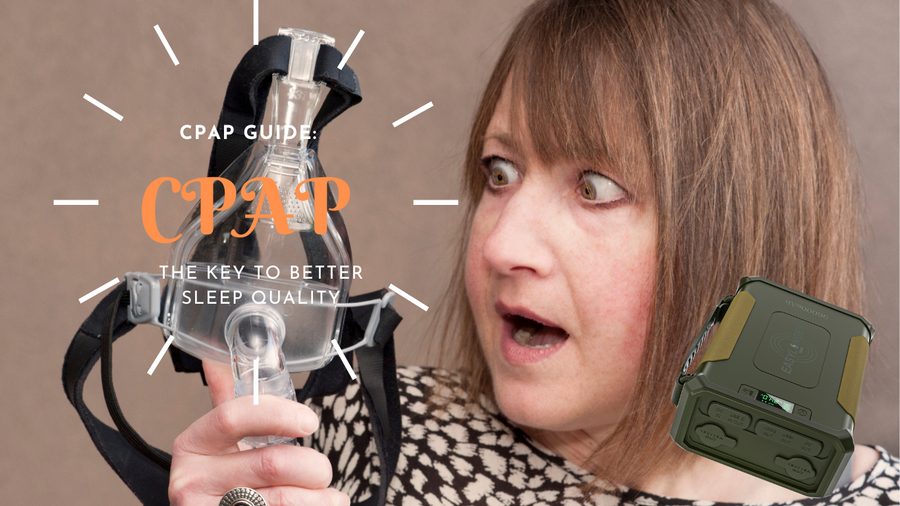
CPAP Guide: The Key to Better Sleep Quality
Review CPAP equipment basics and the role of a compatible ES960 backup battery for home outages and off-grid use.
Mar 14, 2025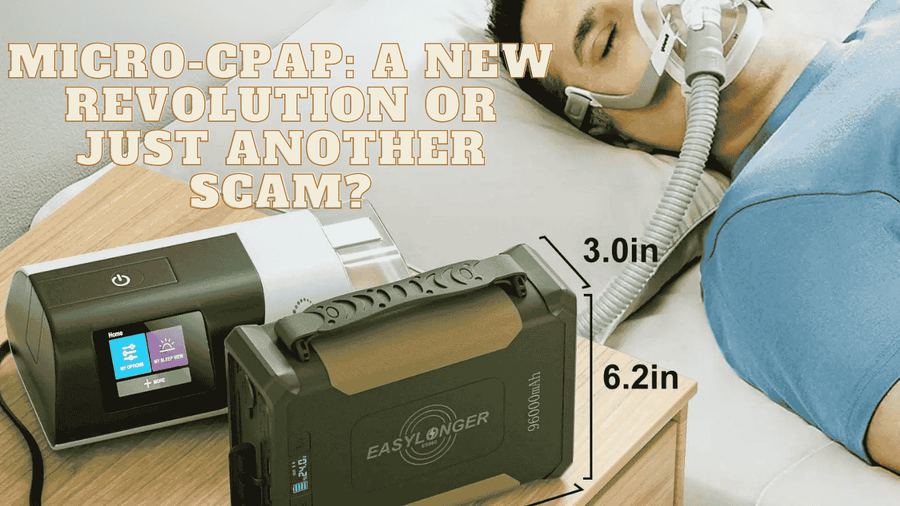 CPAP & sleep health
Micro-CPAP Claims: What to Verify Before Buying
Learn what to check behind micro-CPAP claims and how a documented travel CPAP system differs from a battery that powers your existing machine.
Jan 19, 2025 CPAP & sleep health
The Top Sleep Apnea Apps You Might Be Overlooking
Compare sleep-tracking and CPAP companion apps, understand what their scores mean, and learn which information is useful to discuss with your clinician.
Jan 2, 2025