






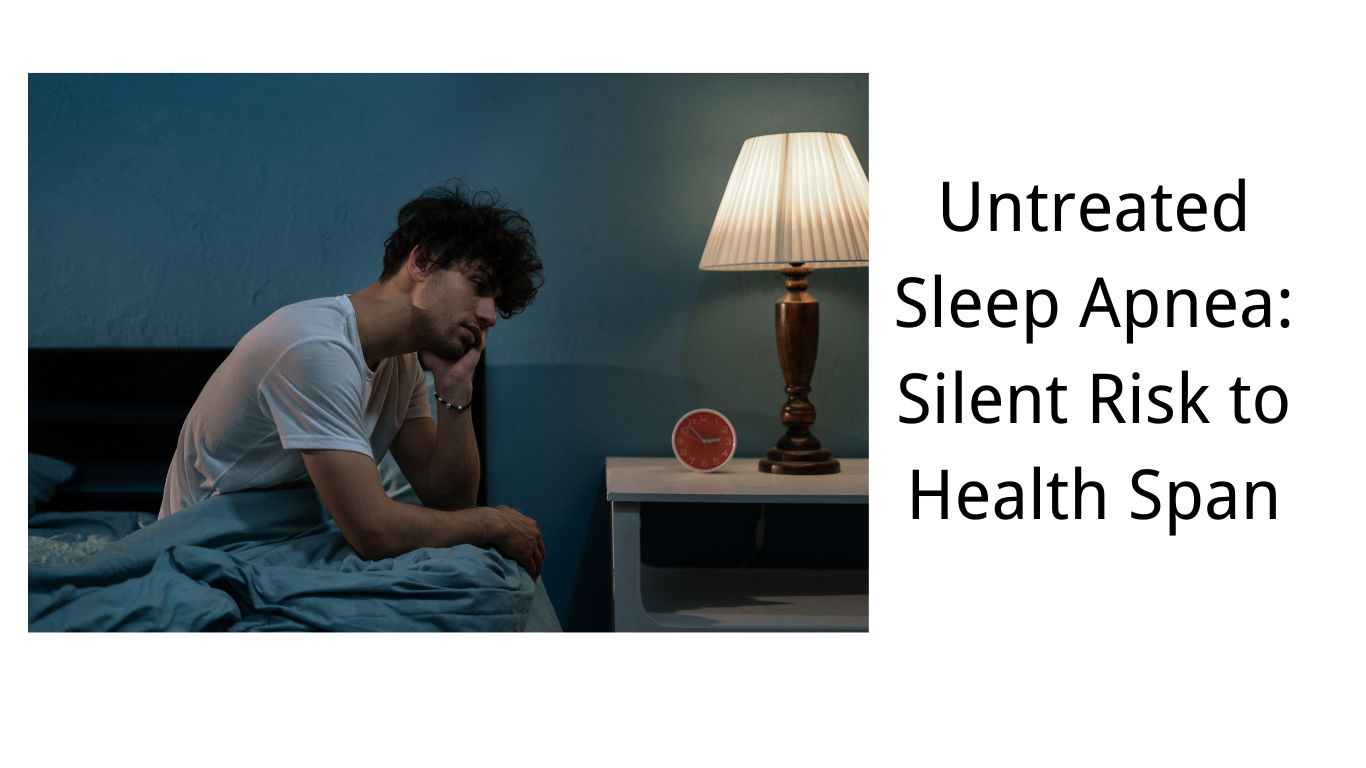

Being diagnosed with sleep apnea can be overwhelming. There's a lot to consider, and many people wonder what it means for their health, well-being, and life expectancy. Even though having this sleep problem might seem scary, you should know that if you don't get it treated, it can have a lot of bad effects. It could even seriously cut down how long you might live.
Sleep disordered breathing, if left untreated, can lead to severe health complications. But here's the good part: if you get the proper treatment, like using a CPAP machine, you can get healthier and have a good, long life. In this piece of writing, we'll look at what affects how long people with a sleep breathing disorder can expect to live, the health problems that come with not treating this disorder, and the treatments that work well to make your life better.
The Impact of Untreated Sleep Apnea on Life Expectancy
Experts agree that untreated sleep apnea can reduce your life expectancy. A 2020 study revealed that individuals with sleep apnea are 74% more likely to die from any cause than those without the condition. This statistic highlights the importance of early diagnosis and treatment.
However, it's crucial to note that sleep apnea itself is rarely the direct cause of death. Instead, people with untreated sleep apnea are at increased risk of developing serious health conditions, such as cardiovascular disease, stroke, high blood pressure, and even diabetes, all of which can contribute to premature death.
Can Sleep Apnea Directly Cause Death?
While rare, it is possible to die from sleep apnea. The condition causes temporary pauses in breathing during sleep, and in some extreme cases, individuals may fail to resume normal breathing. In these cases, sleep apnea-related deaths are typically sudden and unexpected, often occurring while the person is asleep. The risk of such events increases with age, the severity of the condition, and the presence of other health issues.
Factors That Affect Life Expectancy with Sleep Apnea
Several factors contribute to how untreated sleep apnea impacts life expectancy. These include:
Type of Sleep Apnea
The two main types of sleep apnea are Obstructive Sleep Apnea (OSA) and Central Sleep Apnea (CSA). OSA is by far the most common and tends to be easier to treat, while CSA is rarer and often triggered by underlying conditions.
Studies show that people with CSA have a higher risk of mortality compared to those with OSA. For example, 25% of veterans with CSA died over a 20-year period, compared to 14.9% of those with OSA.
Severity of Sleep Apnea
The severity of sleep apnea plays a critical role in determining life expectancy. Individuals with mild sleep apnea are at a lower risk of developing life-threatening complications compared to those with moderate or severe sleep apnea. Studies indicate that people with severe sleep apnea (more than 30 events per hour) are 280% more likely to die than those without sleep apnea.
Underlying Health Conditions
Many people with sleep apnea also have other health conditions that can worsen the effects of sleep apnea. Common comorbidities include obesity, heart disease, diabetes, and hypertension, all of which increase the risks associated with sleep apnea.
The Health Risks of Untreated Sleep Apnea
Untreated sleep apnea can have a significant impact on your health. While the immediate effects may include excessive daytime sleepiness, mood changes, and cognitive impairment, the long-term risks are far more serious:
Cardiovascular Disease
Untreated sleep apnea is strongly linked to cardiovascular disease, including heart attacks, strokes, and high blood pressure. In fact, sleep apnea has been shown to increase the likelihood of heart disease by up to 56% in untreated individuals.
Stroke
Individuals with severe sleep apnea are at an increased risk of stroke. Research tells us that men who have a serious sleep breathing problem are two to three times more likely to have a stroke than men who don't have this kind of sleep problem.
Heart Disease
Problems with the heart, like heart failure, heart attacks, and irregular heartbeats, are some of the most usual and risky problems that come from a sleep breathing disorder. People who have a bad case of obstructive sleep apnea are in even more danger. In fact, some research has found that they are three times more likely to get heart failure.
Diabetes
There is a strong connection between sleep apnea and Type 2 diabetes. Sleep apnea can contribute to insulin resistance, which makes it harder for the body to process glucose. This increases the risk of developing diabetes and related complications.
Obesity
Obesity is both a risk factor for sleep apnea and a consequence of the condition. Sleep apnea can disrupt hormone balance, leading to weight gain, which in turn can worsen sleep apnea, creating a dangerous cycle.
How CPAP Therapy Can Improve Life Expectancy
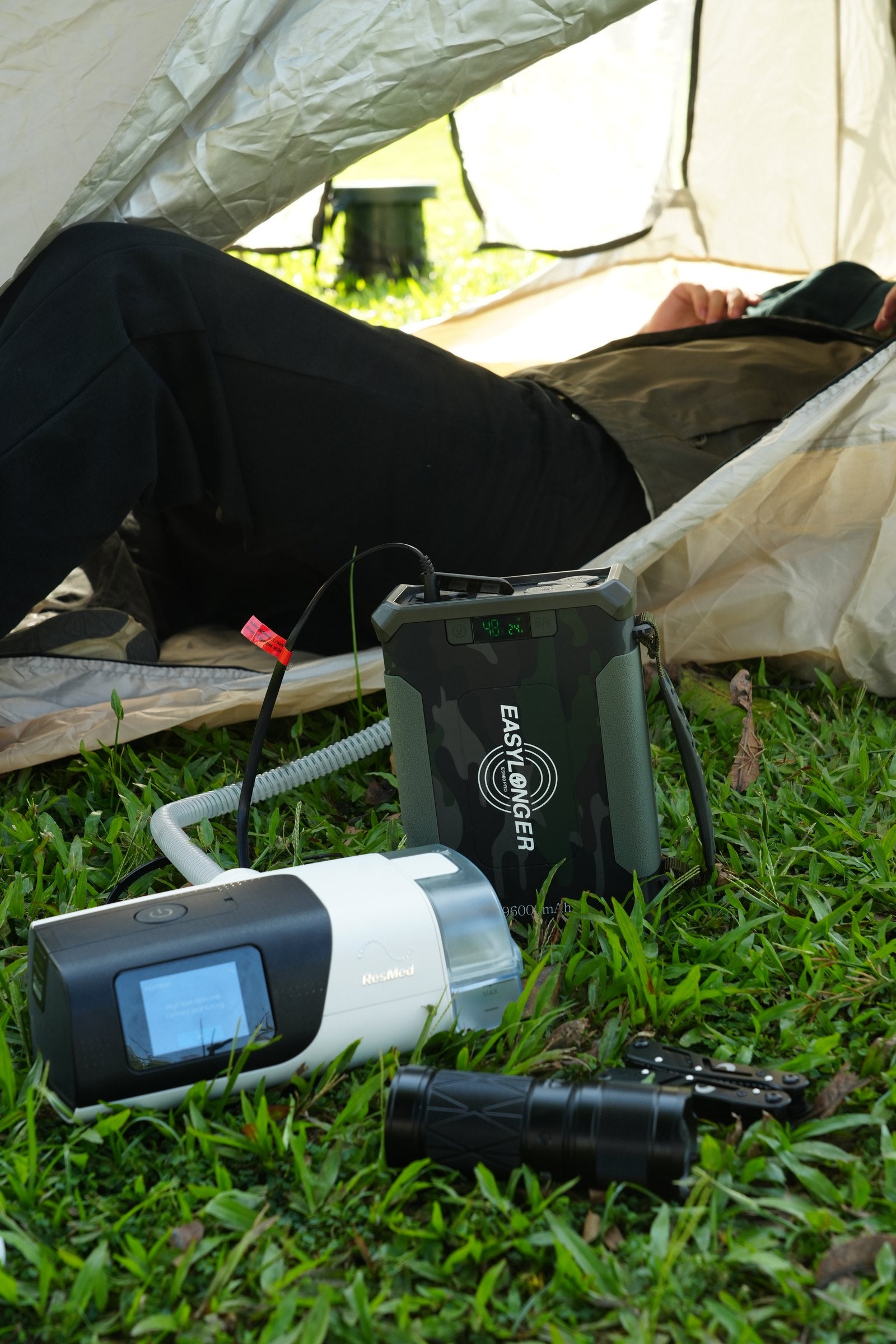
CPAP (Continuous Positive Airway Pressure) therapy is the gold standard for treating sleep apnea. Studies show that individuals who use CPAP therapy regularly have a significantly improved life expectancy compared to those who go untreated. CPAP therapy helps prevent breathing interruptions during sleep, reducing the risks associated with untreated sleep apnea.
Research has shown that CPAP users are 27% less likely to die from any cause, and 23% less likely to develop heart failure. Additionally, people who use CPAP therapy have a 94% five-year survival rate, compared to only 69% for those with untreated sleep apnea.
Alternative Treatments for Sleep Apnea
While CPAP therapy is the most effective treatment for sleep apnea, it's not the only option. There are several alternatives that may be suitable for people with mild to moderate sleep apnea or those who have difficulty adjusting to CPAP therapy:
Lifestyle Changes
Sometimes, the signs of a sleep breathing disorder can get better if you make changes to your daily life. For example, you can try to lose a bit of weight. Don't drink alcohol or take pills that help you sleep before you go to bed. Also, stop smoking. And it's better to sleep on your side instead of on your back.
Oral Appliance Therapy
Oral appliances, also known as mandibular advancement devices, are an alternative to CPAP for people with mild to moderate sleep apnea. These devices help keep the airway open by repositioning the jaw and tongue.
Other PAP Devices
There are different kinds of machines that help you breathe better at night. Besides the common one, there are others like BiLevel PAP and Adaptive Servo Ventilation. These are for folks who have a more serious sleep breathing problem or those who have a hard time using the regular CPAP machine.
Nerve Stimulators and Surgery
For some individuals, nerve-stimulating devices or surgery may be necessary. These treatments can be good. But usually, doctors only use them when the sleep breathing problem is very bad or when other treatments don't work well.
Conclusion
If you don't treat your sleep apnea, it can be really bad for your health and might even shorten your life. But if you get the proper treatment, like using a CPAP machine, you can lower a lot of those risks. If you suspect you have sleep apnea, it's essential to seek medical advice as soon as possible. By addressing the condition early, you can dramatically improve your quality of life and ensure a healthier, longer life.
If someone's told you that you've got sleep apnea, don't feel too down or get all worked up about it. There are ways to treat it, and these treatments can really improve your situation a lot. Take control of your health today and talk to your doctor about the best treatment for you!


Leave a comment
All comments are moderated before being published.
This site is protected by hCaptcha and the hCaptcha Privacy Policy and Terms of Service apply.