















Sleep apnea is a prevalent and often undiagnosed sleep disorder that affects millions of people worldwide. It can lead to numerous health complications and impact a person's quality of life. Below, we've compiled some important statistics and facts to help you understand the scope and significance of sleep apnea in 2025.
Prevalence of Sleep Apnea
Sleep apnea is a global concern, with an estimated 1 billion people suffering from the condition, and more than 936 million cases of Obstructive Sleep Apnea (OSA) alone. The United States alone has over 30 million people living with sleep apnea, but the majority remain undiagnosed.
- United States: It's estimated that more than 30 million Americans have sleep apnea, but only 6 million cases have been officially diagnosed.
- Global: 936 million people globally suffer from OSA, and approximately 80-90% of cases go undiagnosed.
- Undiagnosed Cases: 24 million people in the U.S. are believed to have undiagnosed sleep apnea.
- Commercial Drivers: 15-30% of commercial drivers in North America are affected by sleep apnea, highlighting its risk to public safety.
Who is Affected by Sleep Apnea?
While sleep apnea affects millions of individuals, certain demographics are more likely to develop the condition.
Gender and Age
- Men vs. Women: Sleep apnea is more common in men, with men being more likely to experience severe forms of the disorder. Women, on the other hand, tend to report more generalized symptoms such as fatigue and headaches.
- Aging Population: People aged 65 and over are twice as likely to suffer from sleep apnea compared to younger adults.
- Children: Between 1-6% of children are affected by sleep apnea, with obesity being a contributing factor.
Risk Factors
- Obesity: Around 40% of obese individuals suffer from sleep apnea, and up to 20% of obese pregnant women may develop the condition.
- Smoking and Alcohol: Smokers are 340% more likely to develop sleep apnea, while heavy drinking can increase the risk by 25%.
- Race and Ethnicity: Studies show that African Americans, Native Americans, and Hispanics are more likely to develop sleep apnea due to factors like obesity and genetic predispositions.
Health Implications of Sleep Apnea
Sleep apnea has a profound impact on both physical and mental health, contributing to a wide range of medical conditions and complications.
- Cardiovascular Risks: People with sleep apnea are twice as likely to suffer from heart attacks, and up to 74% of individuals with atrial fibrillation (A-Fib) have sleep apnea.
- Stroke Risk: Sleep apnea increases the likelihood of a stroke by up to 86%, especially if left untreated.
- Diabetes: Up to 83% of people with Type 2 diabetes also have sleep apnea, with untreated sleep apnea contributing to blood sugar spikes.
- Brain Function: Sleep apnea can impair memory, attention, and executive function, with studies showing improvement in cognitive performance after treatment.
Sleep Apnea and Treatment Options
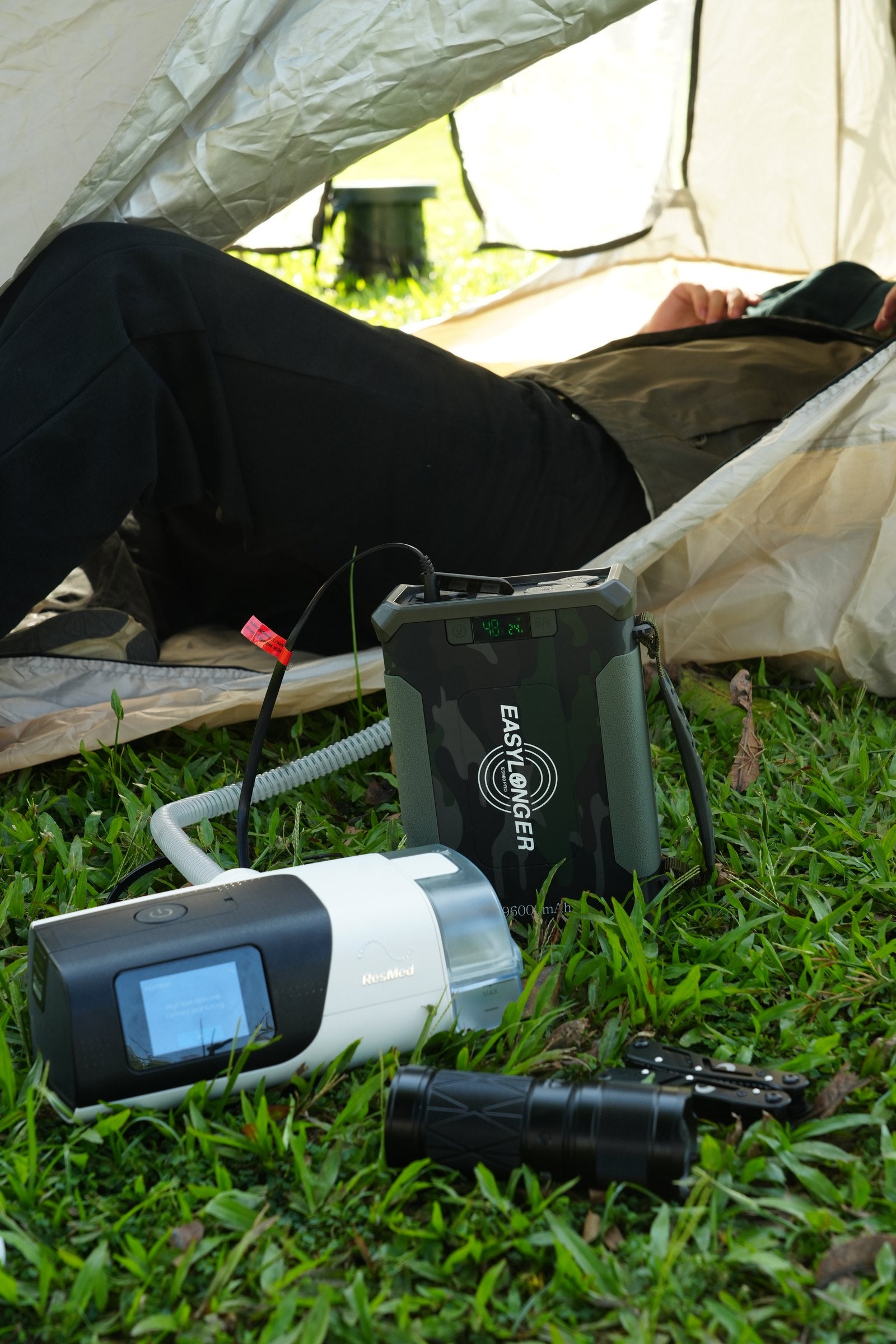
Effective treatment is crucial in managing sleep apnea, as it can prevent further health complications and improve overall quality of life. The most common treatment for sleep apnea is Continuous Positive Airway Pressure (CPAP) therapy.
CPAP Therapy
- CPAP Use: Around 8 million people use CPAP machines regularly, although about 30-50% of patients discontinue therapy within the first year due to discomfort.
- Success Rate: CPAP therapy is highly effective, with an 80% success rate in improving sleep and reducing health risks when used consistently.
- Health Benefits: Regular CPAP use can reduce the risk of stroke, heart disease, and even premature death by up to 61%.
Other Treatment Options
- Oral Appliances: Oral Appliance Therapy (OAT) has a high compliance rate of up to 90%, offering a more comfortable alternative to CPAP for many patients.
- Surgery: Surgical options such as Uvulopalatopharyngoplasty (UPPP) have shown success rates of up to 80%, especially for individuals with a small soft palate.
- Positional Therapy: A significant portion of people with OSA benefit from positional therapy, which reduces symptoms by sleeping on their side.
The Economic Burden of Sleep Apnea
Untreated sleep apnea imposes a substantial economic burden on both individuals and society. Studies have shown that individuals with untreated sleep apnea incur significantly higher healthcare costs and are more likely to experience workplace injuries.
- Healthcare Costs: People with sleep apnea may spend up to 1.8 times more on healthcare costs before their diagnosis.
- Productivity Loss: Sleep apnea reduces productivity, with untreated individuals experiencing higher rates of job loss and decreased work performance.
- Cost of Car Accidents: If sleep apnea were treated in affected drivers, it could save billions annually in collision costs.
Final Thoughts
Sleep apnea is a widespread condition with serious health and economic implications. If you suspect you or a loved one may have sleep apnea, it's crucial to seek medical advice and consider undergoing a sleep study. Early diagnosis and effective treatment can significantly improve quality of life and reduce the risk of severe health complications.



Leave a comment
All comments are moderated before being published.
This site is protected by hCaptcha and the hCaptcha Privacy Policy and Terms of Service apply.