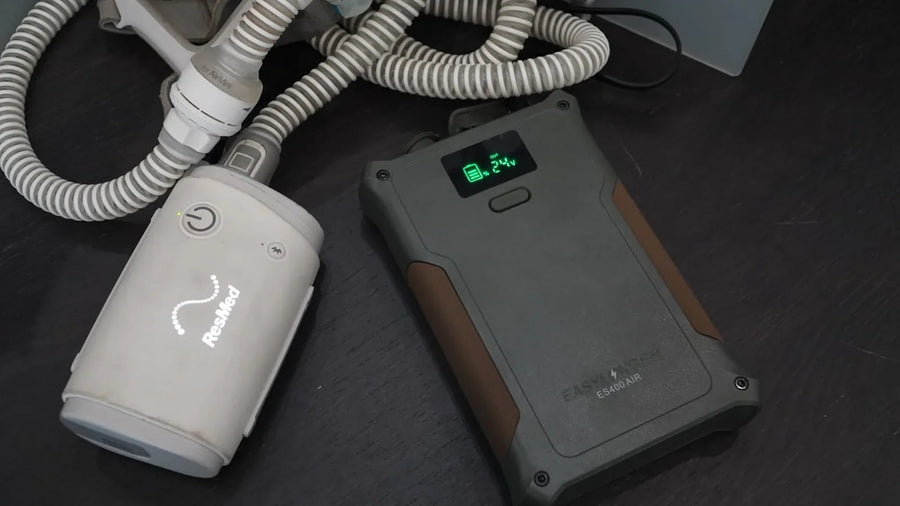
LiFePO4 CPAP Batteries: Cycle Life, Care and Recycling
Learn how LiFePO4 chemistry, cycle ratings, charging care and proper recycling affect a CPAP battery’s long-term usefulness.
By EASYLONGER · Apr 28, 2025 ·
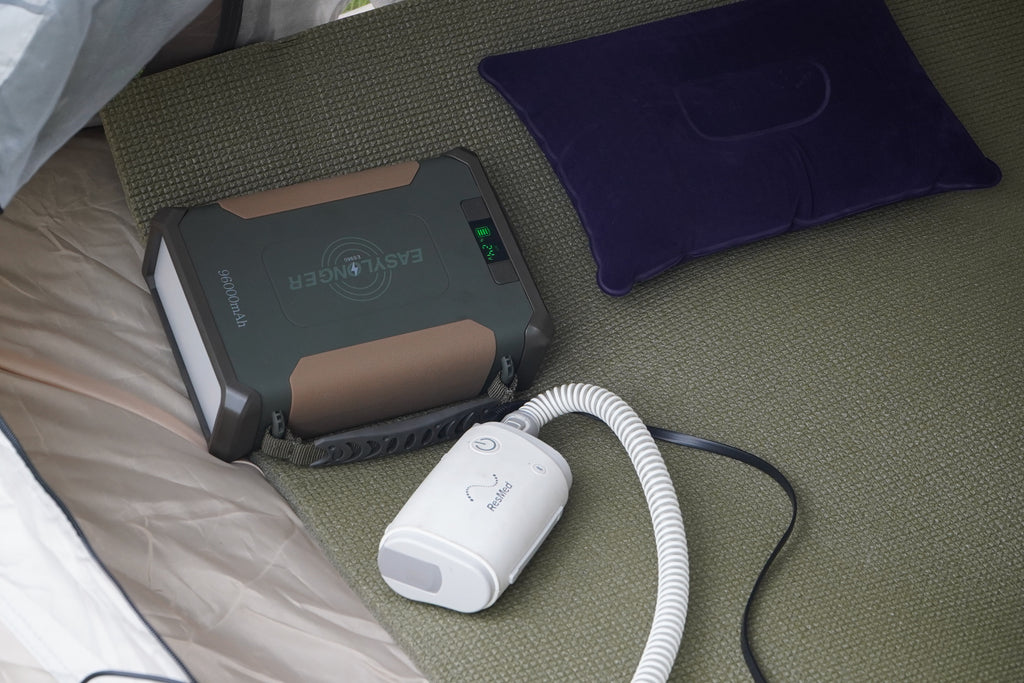
Quick answer: Match the battery to your PAP model, required voltage, humidifier use, runtime target, and travel plan. Confirm compatibility before relying on any battery overnight.

Battery chemistry affects cycle life, weight and care requirements. For CPAP backup, LiFePO4 can be worth comparing alongside the exact model’s capacity, supported output and charging options. Here is what the chemistry tells you—and what still depends on the complete battery.
What Is a LiFePO4 Battery?
LiFePO4 stands for Lithium Iron Phosphate. LiFePO4 is one type of lithium-ion chemistry. Compared with some nickel- and cobalt-based lithium-ion chemistries, LiFePO4 batteries are:
- Often selected for thermal stability.
- Potentially long cycle life under the stated test conditions.
- Based on a cathode material without cobalt or nickel.
- Still dependent on correct charging, protection and handling.
That makes them a perfect match for durable, reliable, and eco-conscious CPAP power.
How LiFePO4 CPAP Batteries Benefit the Environment
1. Longer Lifespan = Less Waste
Cycle life varies by pack and test conditions; compare each model’s stated retained-capacity threshold and cycle rating. Fewer replacements can reduce waste when the battery fits the job and is cared for correctly.
2. Chemistry and operating limits
LiFePO4 batteries resist overheating and leakage, reducing risk at home and lowering environmental impact from accidents.
3. Recyclable Materials
LiFePO4 cathodes do not use cobalt or nickel, but the full battery still needs proper end-of-life handling. Use a battery collection service and keep lithium-ion batteries out of household rubbish and curbside recycling.
Why CPAP Users Love LiFePO4 Batteries
- High stability, even during overnight charging.
- Consistent power output: Steady voltage keeps CPAP therapy smooth.
- Lightweight yet powerful: Ideal for travel, camping, and home backup.
- Fast, versatile charging: Recharge via AC, car, or solar.
Example: The EASYLONGER ES960 uses LiFePO4 cells and stores 297.6Wh. Follow its product instructions for charging, operation and storage. HSA/FSA reimbursement is a separate question to confirm with your plan administrator.
Make a Greener Choice Without Compromise
A long-lived battery can reduce replacement frequency when it fits the job and is cared for correctly. Compare capacity, weight, supported output and charging limits alongside chemistry, and recycle the pack through a suitable collection service when it reaches end of life.
Sleep better. Live greener. Feel prouder.
Ready to upgrade to an eco-friendly CPAP battery?
Explore EASYLONGER’s LiFePO4 CPAP batteries and experience sustainable living without compromise.
Confirm compatibility before purchase
Match the exact PAP model and required voltage, then confirm the correct cable and expected runtime with your normal settings. Humidification and heated tube can materially reduce runtime.
Warranty and support
Purchases made on easylonger.com include a 5-year warranty. Purchases from other platforms include a 3-year warranty and may be upgraded to 5 years after eligible product registration on easylonger.com. Keep your order information and contact support@easylonger.com if you need setup help.
Run the numbers for your CPAP.
Pick your machine and settings. The calculator shows nights for every battery.