

How to Power Your CPAP at Hunting Camp with a CPAP Battery
Prepare CPAP power for hunting camp with a tested battery setup, cold-weather storage, the correct cable, and realistic recharging options.
By EASYLONGER Team · Jul 7, 2026 ·
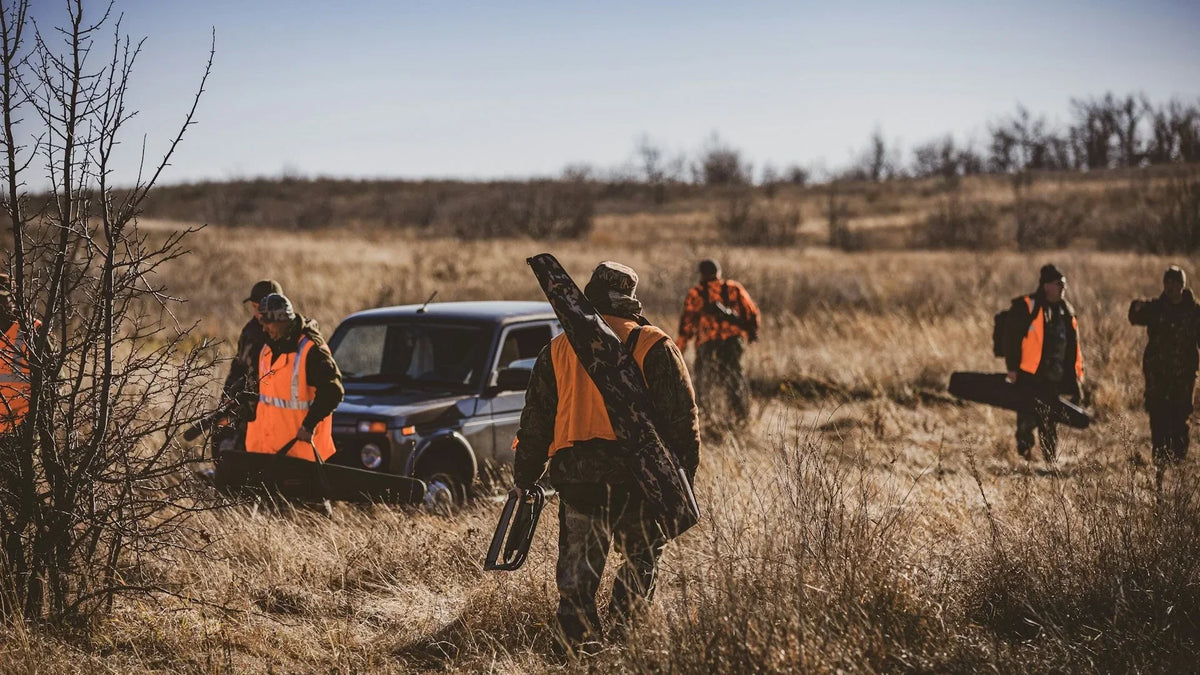
Hunting camp often means early mornings, cold nights, remote cabins, wall tents, trucks, RVs, or campsites far from reliable outlets. If you use a CPAP machine, power planning should be part of your gear checklist before opening day.
A CPAP battery can help keep your machine powered when you sleep off-grid. The right setup depends on your CPAP model, pressure setting, humidifier use, heated tube, battery capacity, temperature, and how many nights you will be away from home.
Quick answer: For most hunting camp users, choose a CPAP battery with enough capacity for at least one complete night with your usual setup, the correct CPAP cable, clear battery status, and safe charging options. For multi-night camps, cabins, RVs, and truck-based hunting trips, a higher-capacity LiFePO4 battery such as the EASYLONGER ES960 or EASYLONGER ES960 PRO is usually a better fit than a small travel battery.
If you need a more outdoor-focused option, the EASYLONGER ES960 PRO Camo is designed for off-grid CPAP use and outdoor power needs. For air travel, choose a smaller battery around 99Wh and confirm current airline rules before flying.

Why Hunting Camp CPAP Power Is Different
Hunting trips create a different power problem than hotel travel. You may be sleeping in cold weather, away from outlets, and sharing limited power with phones, radios, headlamps, GPS devices, cameras, or heated gear.
Common hunting camp CPAP challenges include:
- No reliable wall outlet in a cabin, tent, or blind
- Cold nights that can affect battery performance
- Limited charging time between evening and early morning
- Dust, mud, and moisture around camp
- Multiple devices competing for the same power source
- Multi-night trips far from home
A dedicated CPAP battery helps protect your sleep power from the rest of your camp electronics.
How to Estimate CPAP Runtime Before the Trip
CPAP runtime is not one-size-fits-all. The same battery can run longer or shorter depending on your machine and settings.
Runtime depends on:
- CPAP, APAP, or BiPAP model
- Pressure setting
- Humidifier use
- Heated tube use
- Mask leak level
- Battery watt-hour capacity
- AC outlet vs DC cable connection
- Overnight temperature
A simple planning formula is:
Runtime hours = usable battery watt-hours / CPAP watts
For the most accurate number, test your exact setup at home before the trip. Use your normal mask, pressure, tubing, humidifier setting, and cable. If you are hunting for several nights, plan extra capacity instead of relying on a perfect estimate.
Plan Heated Features into Your Runtime Test
Heated humidification and heated tube can draw much more power than basic airflow. If you need longer runtime at camp, test your CPAP with the humidifier and heated tube turned off before you leave.
Cold, dry air can make comfort more challenging, so do not wait until the first night in camp to experiment. Try your low-power setup at home and decide what works for you.
Use DC Power When Compatible
A CPAP battery with an AC outlet is convenient because you can plug in your normal CPAP adapter. The tradeoff is efficiency. AC power requires conversion, which can reduce runtime.
A compatible DC cable can often be more efficient and may help your battery last longer overnight. Always confirm the right voltage and connector for your CPAP model before using DC power.
| Setup | Best For | Tradeoff |
|---|---|---|
| AC outlet | Easy setup with standard CPAP adapter | Usually less efficient |
| DC cable | Longer runtime when compatible | Must match your CPAP model |
| Humidifier off | Maximum runtime planning | Test comfort first |
| Dedicated CPAP battery | Protecting sleep power | Requires charging discipline |

Best EASYLONGER Options for Hunting Camp
EASYLONGER has several CPAP battery options that fit different hunting scenarios:
- EASYLONGER ES960: A 297.6Wh LiFePO4 CPAP battery backup for home outages, camping, RVs, and off-grid camp power.
- EASYLONGER ES960 PRO: A 297.6Wh portable CPAP battery with broad CPAP compatibility, multiple outputs, and long-cycle LiFePO4 chemistry.
- EASYLONGER ES960 PRO Camo: A 297.6Wh outdoor-focused CPAP battery designed for off-grid use and hunting/camping-style environments.
- EASYLONGER ES270: A 99.9Wh CPAP travel battery, under the FAA's 100Wh carry-on limit.
For most drive-in hunting camps, ES960, ES960 PRO, or ES960 PRO Camo are better fits. For fly-in hunting trips, battery size rules matter, so start with a 99Wh-class option and check airline approval requirements.
Hunting Camp CPAP Battery Checklist
- Charge your CPAP battery fully before the trip.
- Pack the correct CPAP cable and your standard power adapter.
- Test one complete night with your usual setup on battery power at home.
- Decide whether you will use humidification or heated tube.
- Keep the battery dry and off cold, wet ground.
- Store cables where they will not be stepped on in the dark.
- Prioritize CPAP power before charging phones, cameras, or radios.
- Bring a vehicle charging plan if your battery supports it.
- Keep battery terminals and ports protected from dirt and moisture.
Cold Weather Tips for CPAP Batteries
Hunting seasons often bring cold mornings and freezing nights. Protect the battery from exposure, but remember that an unheated tent or vehicle can also fall below its limits. Check the model’s separate discharge and charging temperature ranges; allow a cold battery to return to its permitted charging temperature before charging.
Do not place the battery directly against heaters, stoves, or open flame. Keep it dry, stable, and within the safe operating conditions listed by the manufacturer.
Can You Fly with a CPAP Battery for a Hunting Trip?
Air travel rules depend on watt-hours. The FAA generally allows lithium-ion batteries up to 100Wh in carry-on baggage. With airline approval, passengers may carry up to two spare lithium-ion batteries over 100Wh and up to 160Wh. Larger batteries, such as 297.6Wh models, are not intended for passenger air travel as spare batteries.
If your hunting trip involves flying, check your airline before packing any CPAP battery.
FAQ
Can I use a CPAP battery at hunting camp?
Yes, if the battery is compatible with your CPAP machine and has enough capacity for your settings. Test your setup before relying on it off-grid.
How long will a CPAP battery run at camp?
Runtime depends on your CPAP model, pressure, humidifier, heated tube, connection method, and battery capacity. A full overnight test at home gives the most realistic estimate.
Should I turn off my humidifier while using battery power?
Turning off the humidifier and heated tube can extend runtime. Test comfort at home before changing your camp setup.
Is a CPAP battery safe in cold weather?
Use the battery within the manufacturer's recommended conditions. Keep it dry, protected, and away from direct heat sources.
What is the best CPAP battery for hunting camp?
For drive-in hunting camps, RVs, cabins, and multi-night off-grid trips, a high-capacity LiFePO4 option like EASYLONGER ES960, ES960 PRO, or ES960 PRO Camo is a practical choice. For air travel, use a smaller travel-friendly battery.
Final Takeaway
A hunting camp CPAP setup works best when you test it before the trip. Choose a compatible battery, plan for your real runtime, reduce power draw when comfortable, and keep your battery dry and protected.
For hunters who use CPAP off-grid, EASYLONGER's high-capacity CPAP battery options can help support overnight power planning at camp, in an RV, or during emergency outages.
Explore EASYLONGER CPAP battery options here: CPAP Battery Collection.
Test before leaving home
Run one full overnight test using the same machine, mask, tubing, pressure, humidifier, heated tube, and cable you plan to take. Record the runtime and the starting and ending charge indication (percentage or status bars) so your trip plan is based on your own setup.
Continue planning
Use the off-grid CPAP camping guide for a complete checklist, then compare compatible options in the CPAP battery collection.
Check the current flight rule
For U.S. departures, review the FAA PackSafe battery guidance, then confirm the operating carrier’s policy for every flight segment. Spare lithium batteries and power banks must be protected from damage and short circuits and kept in carry-on baggage under the applicable limits.
Run the numbers for your CPAP.
Pick your machine and settings. The calculator shows nights for every battery.
Keep reading
 Camping & RV
RV CPAP Battery Solution: Guide to Powering Your CPAP While Camping
Compare DC and AC CPAP power for RV travel, understand runtime assumptions, and choose a battery setup for campground and boondocking nights.
Jul 7, 2026 Camping & RV
CPAP Battery for Kayak Camping: Lightweight Overnight Power Tips
Balance battery weight, runtime, compatibility, and dry storage for kayak camping, with a practical checklist for your next overnight trip.
Jul 6, 2026 Camping & RV
CPAP Battery for Fishing Trips: Overnight Power Tips
Plan overnight CPAP power for fishing trips, prioritize sleep power, protect equipment from water, and test the battery before leaving home.
Jul 6, 2026