

CPAP Battery for Fishing Trips: Overnight Power Tips
Plan overnight CPAP power for fishing trips, prioritize sleep power, protect equipment from water, and test the battery before leaving home.
By EASYLONGER Team · Jul 6, 2026 ·
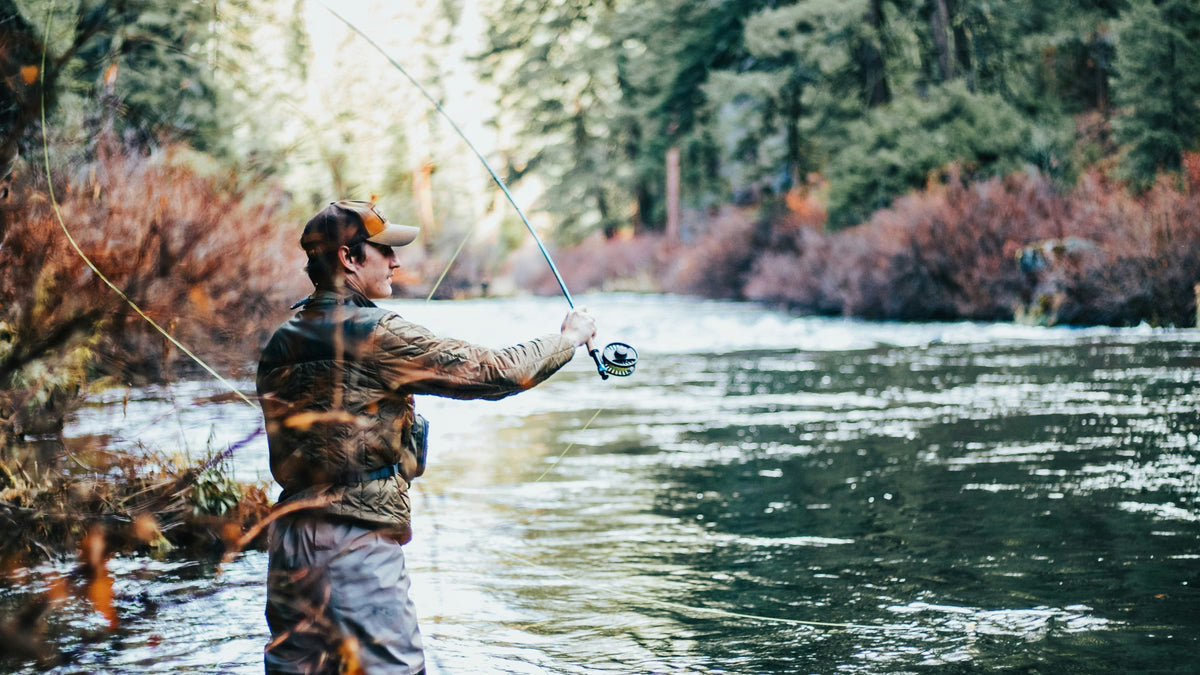
Fishing trips often start before sunrise and end long after dark. For CPAP users, that can create one practical question: how do you keep your CPAP powered when you are sleeping in a truck camper, RV, cabin, tent, dockside shelter, or boat with limited outlet access?
A CPAP battery can help you plan for overnight fishing trips, weekend tournaments, lake cabins, and remote camping spots. The key is choosing the right battery for your CPAP model, testing your setup before you leave, and protecting your power gear from moisture.
Quick answer: For overnight fishing trips, most CPAP users should look for a battery with enough capacity for at least one complete night with your usual setup, a compatible CPAP cable, clear battery status, and safe storage away from water. For longer weekends or off-grid fishing camps, a higher-capacity LiFePO4 battery such as the EASYLONGER ES960 CPAP Battery Backup or EASYLONGER ES960 PRO is usually a better fit than a small travel battery.
If your fishing trip involves flying before you drive to the lake, a smaller 99Wh-class battery such as the EASYLONGER ES270 is more appropriate for air travel. Larger 297.6Wh batteries are designed for home backup, camping, RVs, and off-grid use rather than carry-on flights.
Why Fishing Trips Are Different for CPAP Power
CPAP power planning for a fishing trip is not the same as packing for a hotel stay. Many fishing environments are damp, remote, and unpredictable. You may be sleeping near water, away from a reliable outlet, or in a vehicle where power is shared with other gear.
Common fishing-trip CPAP challenges include:
- Sleeping in a tent, RV, truck bed, boat cabin, or lake cabin
- Limited shore power at docks or campsites
- Humid air, condensation, or sudden rain
- Long nights away from a wall outlet
- Shared power demands from phones, fish finders, lights, and coolers
- Early starts that make overnight charging easy to forget
A dedicated CPAP battery helps separate your sleep power from the rest of your fishing gear. During an overnight trip, prioritize your CPAP first and use other devices only after you know how much battery you need for sleep.
How Much Battery Capacity Do You Need?
Battery runtime depends on your CPAP machine and settings. A user with humidification off may get much longer runtime than someone using heated humidification and heated tube.
Runtime depends on:
- CPAP, APAP, or BiPAP model
- Pressure setting
- Humidifier use
- Heated tube use
- Mask leak level
- Battery watt-hour capacity
- AC outlet vs DC cable connection
For fishing weekends, plan more capacity than the exact estimate. Cold weather, long nights, and unexpected delays can all change how much power you use.
| Fishing situation | Power planning tip | Battery fit |
|---|---|---|
| One night at a nearby lake | Test one complete night with your usual setup at home first | Medium to high capacity CPAP battery |
| Weekend fishing camp | Plan for two nights or recharge options | High-capacity CPAP battery backup |
| RV or truck camper | Use dedicated CPAP power instead of draining vehicle battery | LiFePO4 CPAP battery |
| Fly-in fishing trip | Check airline battery limits before packing | 99Wh travel CPAP battery |
Use DC Power When Compatible
Many CPAP users plug their machine into an AC outlet because it feels familiar. On battery power, however, AC output usually loses some energy during conversion. A compatible DC cable can often be more efficient and may extend runtime.
Before your trip, confirm the correct cable for your CPAP model. Do not guess on voltage or connector type. Using the wrong cable can prevent your machine from powering properly.

Should You Use the Humidifier While Fishing?
Humidification is comfortable for many CPAP users, but it uses more power. On a fishing trip, especially near lakes, rivers, or coastal air, you may already be sleeping in a humid environment.
If your goal is longer runtime, consider testing your CPAP with the humidifier and heated tube turned off before the trip. Only make comfort-setting changes if they work for your sleep needs. The best time to test is at home, not at midnight beside the lake.
Moisture and Safety Tips Near Water
Fishing environments can be rough on electronics. Keep both your CPAP machine and battery dry, stable, and away from direct splash zones.
Use these precautions:
- Keep the battery off wet ground and away from standing water
- Do not place the battery where rain, spray, or condensation can collect
- Use a dry storage area in a tent, RV, cabin, or covered compartment
- Keep cables organized so they are not tripping hazards in the dark
- Do not charge or operate power gear in unsafe wet conditions
- Let equipment dry before packing it away after a damp night
A CPAP battery is useful outdoor gear, but it should still be treated like sensitive electronics.
Best EASYLONGER Options for Fishing Trips
EASYLONGER offers different CPAP battery options depending on how you fish and travel.
- EASYLONGER ES960: A 297.6Wh LiFePO4 CPAP battery backup for overnight fishing trips, camping, RV stays, home backup, and off-grid weekends.
- EASYLONGER ES960 PRO: A 297.6Wh CPAP battery option with a numeric battery-percentage display. It has the same nominal energy capacity as the ES960; compare the exact model’s connection and features rather than assuming PRO means more watt-hours.
- EASYLONGER ES270: A 99.9Wh CPAP battery for trips that include a flight. It's under the FAA's 100Wh carry-on limit.
For driving to a lake, sleeping in an RV, or staying at a fishing camp, start with ES960 or ES960 PRO. For airline travel to a fishing destination, start with ES270 and confirm current airline rules before flying.
Fishing Trip CPAP Battery Checklist
- Charge your CPAP battery before leaving home.
- Pack the correct CPAP cable and your normal power adapter.
- Test your CPAP on battery power for one complete night with your usual setup before the trip.
- Decide whether you will use humidification or heated tube.
- Store the battery in a dry, protected place overnight.
- Keep your CPAP power separate from phones, lights, and fishing electronics when possible.
- Bring a backup charging plan for multi-night trips, such as vehicle charging where supported.
FAQ
Can I use a CPAP battery while fishing overnight?
Yes, if the battery is compatible with your CPAP machine and has enough charge for your settings. Test the setup at home before relying on it outdoors.
How long will a CPAP battery last on a fishing trip?
Runtime depends on your CPAP model, pressure, humidifier, heated tube, battery capacity, and whether you use AC or DC output. A full overnight home test gives the most realistic estimate.
Is a CPAP battery safe near water?
Keep the battery dry and away from rain, spray, and standing water. Do not operate or charge electronics in unsafe wet conditions.
Should I power my CPAP from my boat or vehicle battery?
A dedicated CPAP battery is often a cleaner plan because it helps avoid draining a starting battery or sharing power with fishing electronics. Always follow your vehicle or boat power guidelines.
Can I fly with a CPAP battery for a fishing trip?
Battery size matters. A 99Wh-class battery is generally more travel-friendly, while larger 297.6Wh batteries are intended for home backup, RVs, camping, and off-grid use rather than carry-on air travel.
Final Takeaway
For CPAP users who fish overnight, good power planning can make the trip much easier. Choose a battery that fits your CPAP, test your runtime before leaving, keep your gear dry, and prioritize CPAP power over nonessential electronics.
For most anglers driving to a lake, campsite, RV park, or dockside cabin, EASYLONGER ES960 or ES960 PRO is a practical high-capacity choice. For fly-in fishing trips, consider a 99Wh travel option like EASYLONGER ES270.
Explore EASYLONGER CPAP battery options here: CPAP Battery Collection.
Test before leaving home
Run one full overnight test using the same machine, mask, tubing, pressure, humidifier, heated tube, and cable you plan to take. Record the runtime and the starting and ending charge indication (percentage or status bars) so your trip plan is based on your own setup.
Continue planning
Use the off-grid CPAP camping guide for a complete checklist, then compare compatible options in the CPAP battery collection.
Check the current flight rule
For U.S. departures, review the FAA PackSafe battery guidance, then confirm the operating carrier’s policy for every flight segment. Spare lithium batteries and power banks must be protected from damage and short circuits and kept in carry-on baggage under the applicable limits.
Run the numbers for your CPAP.
Pick your machine and settings. The calculator shows nights for every battery.
Keep reading
 Camping & RV
RV CPAP Battery Solution: Guide to Powering Your CPAP While Camping
Compare DC and AC CPAP power for RV travel, understand runtime assumptions, and choose a battery setup for campground and boondocking nights.
Jul 7, 2026 Camping & RV
How to Power Your CPAP at Hunting Camp with a CPAP Battery
Prepare CPAP power for hunting camp with a tested battery setup, cold-weather storage, the correct cable, and realistic recharging options.
Jul 7, 2026 Camping & RV
CPAP Battery for Kayak Camping: Lightweight Overnight Power Tips
Balance battery weight, runtime, compatibility, and dry storage for kayak camping, with a practical checklist for your next overnight trip.
Jul 6, 2026