

Wildfire Power Outages: Planning CPAP Battery Backup
Prepare CPAP backup for wildfire-related power outages with a tested battery, correct cable, recharge plan and evacuation priorities.
By EASYLONGER · Jan 16, 2025 ·
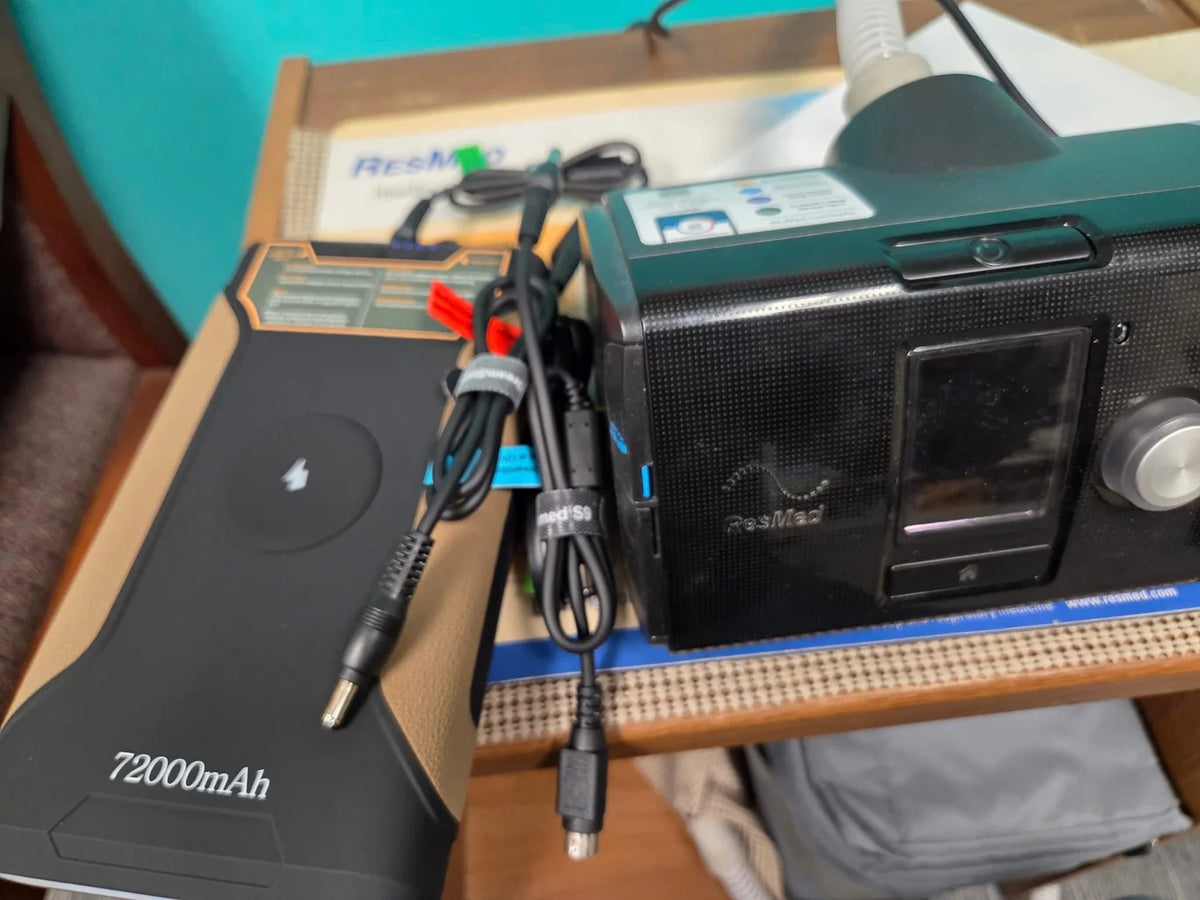
Quick answer: Build the backup plan around your exact PAP model, normal settings, expected outage length, and a tested cable. Charge and test the complete setup before severe weather or a planned shutoff.
Build the plan before the outage
A useful backup plan specifies the machine, cable, normal comfort settings, tested overnight runtime, and at least one practical way to recharge after the first night.

Wildfire Power Outages: Planning CPAP Battery Backup
Wildfires are happening more often and getting stronger because of climate change. These fires can harm nature and people. In areas at risk for wildfires, power outages are more common.
This is why having reliable backup power for emergencies is important. Let’s look at how portable batteries can help during wildfires in a simple way.
How Do Wildfires Affect Power
Wildfires can cause serious damage to power systems. High temperatures can melt power lines, overload transformers, or destroy substations. To prevent fires, power companies may also cut power during wildfire seasons. Losing electricity not only disrupts daily life but can also put lives at risk.
Why Are Portable Batteries Important During Wildfires
Portable batteries provide reliable energy for medical devices, communication tools, and emergency equipment during and after wildfires. This helps meet basic needs for individuals and families. For people using CPAP machines, having a CPAP battery backup is critical to ensuring their health and comfort during a power outage.
1. Emergency Power for Critical Devices
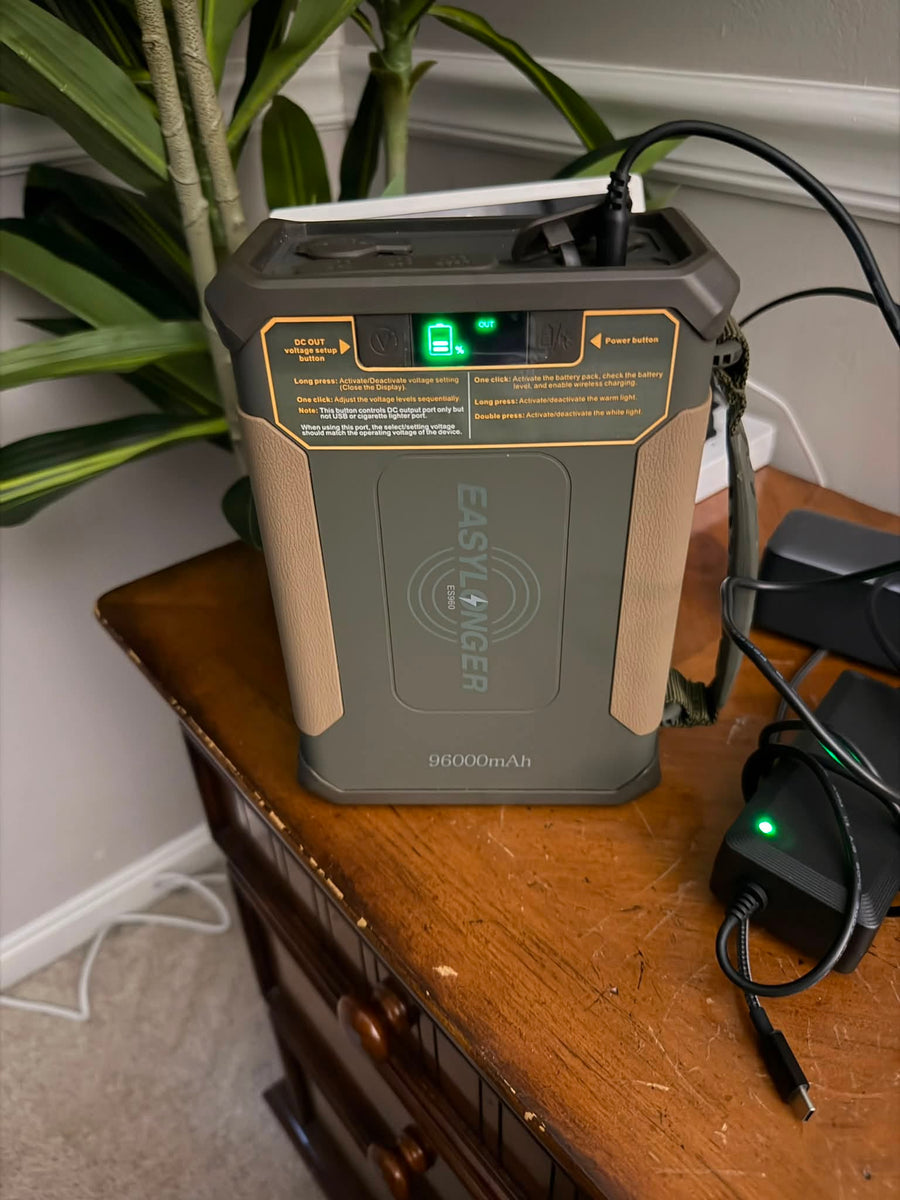
During power outages, devices like smartphones, GPS, and medical equipment become essential. Portable batteries can keep these devices running. For example, the EASYLONGER CPAP Backup Battery ES960 is intended for documented compatible CPAP setups. Do not assume it can power other medical devices without their manufacturer’s requirements and an appropriate backup plan. It can provide power for up to three nights when the humidifier and heated tube are turned off.
2. Works with Many Devices
Modern portable batteries come with multiple output ports to support different gadgets. The ES960 is a versatile CPAP battery backup that comes with different DC cables. It works with popular CPAP machines like the ResMed AirSense 10 and 11, Philips DreamStation, and Luna G3. For an unlisted CPAP, confirm the complete documented AC or DC path and the port limits with support before connecting it. This kind of compatible CPAP battery is convenient, and one less thing to worry about.
3. High Capacity for Long Use
Battery capacity is key to how long a portable battery can last. With a 297.6Wh battery, the ES960 backs up a CPAP machine and can also run a laptop, phones or a 12V cooler, anything under 180W. This ensures you have energy when you need it most during a wildfire emergency.
4. Quiet and Eco-Friendly
Unlike noisy gas generators, portable batteries are quiet and don’t produce harmful emissions. They’re safe to use indoors or in crowded areas. Many models also support solar charging, which makes them a sustainable option for recovery after wildfires. For a long outage, a CPAP battery that recharges from a solar panel is a real help.
5. Multiple Charging Options
Portable batteries can be charged in many ways. This ensures they are ready when you need them. For example, the ES960 supports
A 60W Type-C PD charger, fully charging in 6-8 hours;
A 72W AC adapter, fully charging in 5-6 hours;
Solar panels with 100W or higher power for eco-friendly charging (sold separately).
These features make it one of the most flexible and convenient battery backups for CPAP machines during emergencies.
6. Battery Care During an Emergency
The ES960 uses LiFePO4 chemistry and a battery management system. Keep it within the manual’s temperature limits and away from smoke, water and direct heat. Follow evacuation instructions before protecting equipment.
Tips for Choosing the Right Portable Battery
Here are some things to think about when picking a portable battery
Battery Capacity Make sure it matches the power needs of your devices, especially if you need a reliable CPAP battery backup.
Output Ports Look for multiple ports to charge several devices at once.
Portability Check the size and weight, especially if you might need to evacuate quickly.
Solar Compatibility Choose models that support solar charging for long-term use, while keeping the battery and panel within their specified input limits.
Safety Features Pick devices with protections against short circuits, overheating, and overloading.
A charged, tested CPAP battery can be one part of a wildfire outage kit alongside medications, communication, transport and an alternate place to stay. Reserve enough energy for the CPAP, keep the charging route dry and safe, and follow official evacuation advice.
Your readiness checklist
- Charge the battery before the risk window begins.
- Test one normal night with the exact machine and cable.
- Record the remaining battery percentage in the morning.
- Keep the manual, support contact, and recharging options together.
Continue planning
Read the power-outage backup guide and compare options in the CPAP battery collection.
Run the numbers for your CPAP.
Pick your machine and settings. The calculator shows nights for every battery.
Keep reading
 Power outages
A 7-Day Hurricane CPAP Power Plan: Battery, Solar and Reserve
Build a seven-day CPAP outage plan with daily energy budgeting, realistic solar checks, stored reserve and a no-sun fallback. Includes a worked example and setup checklist.
Sep 14, 2026 Power outages
CPAP Battery Backup for Power Outages: What to Know
Prepare CPAP backup for US power outages using a matching cable, measured runtime, enough reserve and a reliable recharge plan.
Jul 6, 2026 Power outages
Hurricane Season CPAP Backup Plan: Prepare for Power Outages
Prepare CPAP power for hurricane season with a tested battery, practical recharge plan, packed supplies and verified pass-through behavior.
May 9, 2026