

CPAP Battery Backup for Power Outages: What to Know
Prepare CPAP backup for US power outages using a matching cable, measured runtime, enough reserve and a reliable recharge plan.
By EASYLONGER Team · Jul 6, 2026 ·
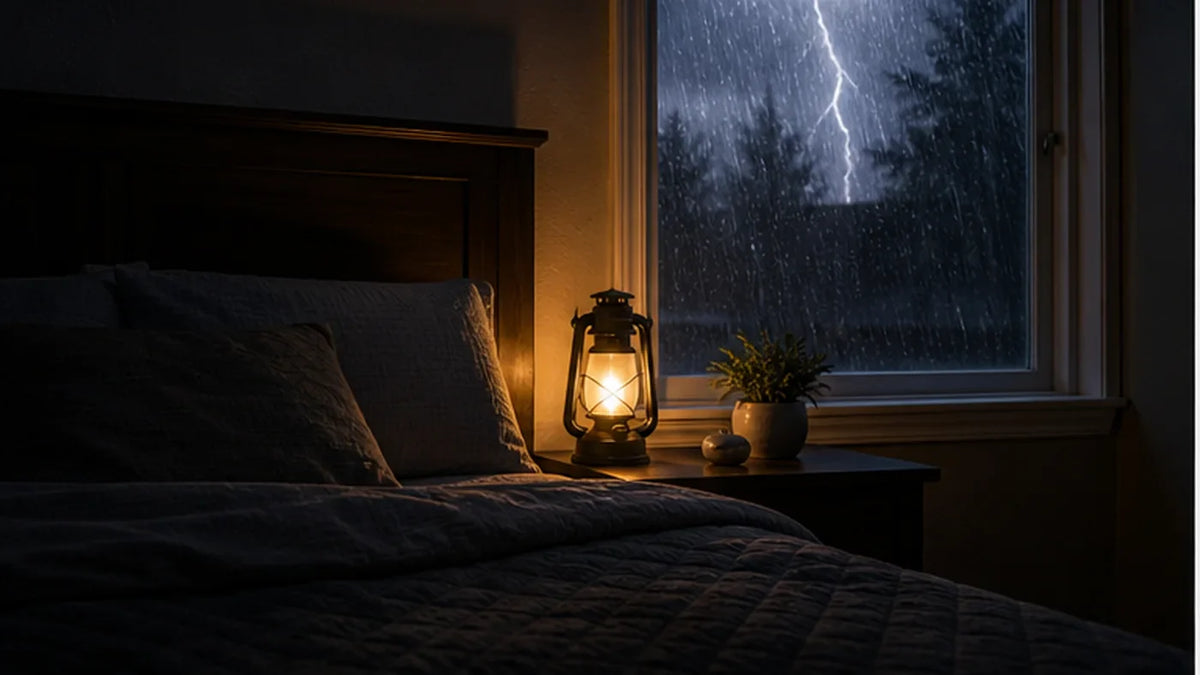
Power outages can happen during summer storms, winter weather, hurricanes, wildfire shutoffs, or local grid issues. If you use a CPAP machine every night, it is worth planning a backup power setup before the lights go out.
A CPAP battery backup may help keep your machine powered when wall power is unavailable. The best setup depends on your CPAP model, pressure setting, humidifier use, heated tube, connection method, and how many nights of backup you want.
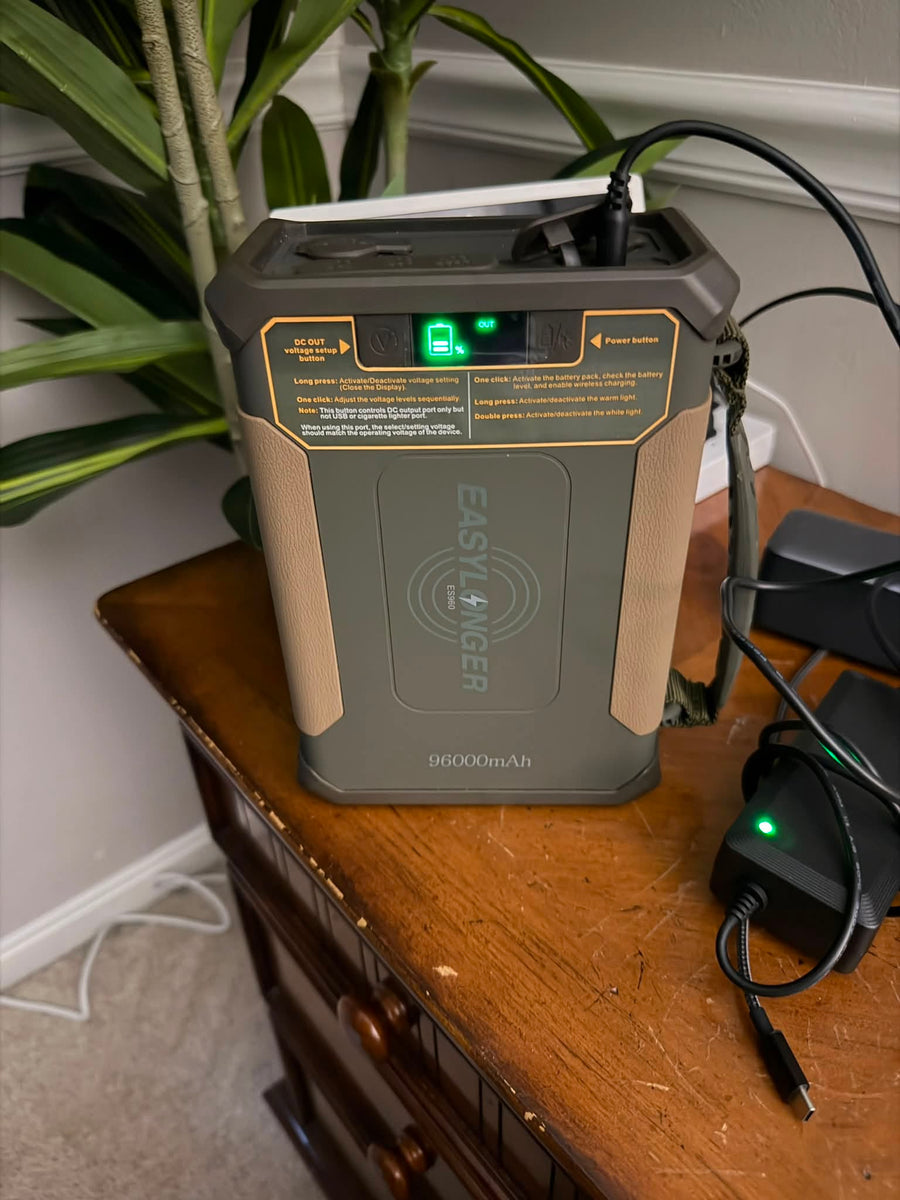
Quick answer: For most home power outages, choose a CPAP battery with enough capacity for your measured overnight use plus a reserve, clear battery status, and the correct cable for your machine. A high-capacity LiFePO4 battery such as the EASYLONGER ES960 CPAP Battery Backup or EASYLONGER ES960 PRO is better suited for home backup than a small travel battery.
If your main need is air travel, choose a smaller battery designed around airline limits, such as the EASYLONGER ES270 99.9Wh CPAP battery. Larger 297.6Wh batteries are intended for home, camping, RV, and emergency backup use rather than carry-on flight use.
Why CPAP Backup Power Matters During Outages
Many CPAP users build a backup plan only after the first bad outage. A better approach is to test your setup ahead of time, then keep the battery charged and ready near your bed or emergency supplies.
A CPAP battery backup can be useful for:
- Thunderstorms and grid outages
- Hurricane or tornado season
- Winter storms and ice events
- Wildfire public safety power shutoffs
- RV nights or temporary off-grid stays
- Hotel stays where outlet access is inconvenient
Backup power does not replace medical guidance or emergency planning. It is one practical part of keeping your nightly CPAP routine prepared when power access is uncertain.
What Affects CPAP Battery Runtime?
CPAP runtime is not a fixed number. The same battery can last much longer for one user than another because CPAP machines and settings draw different amounts of power.
Runtime depends on:
- Your CPAP, APAP, or BiPAP model
- Your prescribed pressure range
- Whether the humidifier is on
- Whether heated tube is on
- Mask leak level
- Battery watt-hour capacity
- AC outlet vs DC cable connection
As a rule of thumb, heated humidification and heated tube use more power than basic airflow. If you need the longest backup runtime, consider turning off the humidifier and heated tube when comfortable and appropriate for your situation.
AC Outlet vs DC Cable: Which Is Better for Outages?
Many CPAP batteries offer an AC outlet, which is convenient because you can plug in your normal CPAP power adapter. The tradeoff is efficiency. AC output requires power conversion, and that conversion can reduce runtime.
A compatible DC cable is often more efficient because it sends power to the CPAP with less conversion loss. For outage planning, this can make a meaningful difference.
| Connection method | Best for | Tradeoff |
|---|---|---|
| AC outlet | Easy setup with your standard CPAP adapter | Usually shorter runtime because of conversion loss |
| DC cable | Longer runtime and more efficient power use | Requires the correct cable for your CPAP model |
Always confirm compatibility before relying on a DC cable overnight.
How to Estimate Backup Runtime
You can estimate runtime with a simple formula:
Runtime hours = usable battery watt-hours / CPAP watts
For example, a CPAP drawing less power with humidification off will run longer than the same machine using heated humidification and heated tube. Real-world results vary, so the most reliable test is a full overnight trial at home using your normal mask, pressure, tube, and comfort settings.
Before storm season, run this test once and write down the result. That gives you a realistic planning number for your own machine.
Home Outage Checklist for CPAP Users
Use this checklist before the next outage:
- Charge your CPAP battery to the recommended storage level or full charge before severe weather.
- Confirm the battery supports your CPAP model and voltage requirements.
- Keep the correct CPAP cable in the same bag or drawer as the battery.
- Test one overnight run before depending on it in an emergency.
- Know whether you will use humidification during backup power.
- Store the battery in a cool, dry place away from direct heat.
- Recharge after each use so it is ready for the next outage.
Which EASYLONGER CPAP Battery Fits Power Outages?
For home outage backup, capacity and reliable chemistry matter. EASYLONGER's 297.6Wh LiFePO4 CPAP battery options are designed for longer backup needs than small travel batteries.
- EASYLONGER ES960: A 297.6Wh LiFePO4 CPAP battery backup for home outages, camping, RV use, and off-grid sleep setups.
- EASYLONGER ES960 PRO: A 297.6Wh CPAP battery option for users who want broad CPAP compatibility and a dedicated backup power setup.
- EASYLONGER ES270: A 99.9Wh CPAP travel battery, under the FAA's 100Wh carry-on limit.
If your main concern is storm season or overnight home backup, start with ES960 or ES960 PRO. If your main concern is air travel, start with ES270.
Can You Use a CPAP Battery While Traveling by Air?
Airline battery rules are different from home backup planning. The FAA generally allows lithium batteries up to 100Wh in carry-on baggage. With airline approval, passengers may carry up to two larger spare lithium-ion batteries between 101Wh and 160Wh. Batteries above that range are typically not allowed as spare batteries on passenger flights.
Because of that, a 297.6Wh CPAP battery is not the right choice for air travel. It is better for home backup, camping, RVs, and emergency use. For flight-focused backup, choose a 99Wh-class CPAP battery and confirm with your airline before travel.
FAQ
What is the best CPAP battery backup for power outages?
The best option is one that matches your CPAP model, voltage needs, runtime goal, and connection method. For home outages, a higher-capacity battery such as EASYLONGER ES960 or ES960 PRO is usually more practical than a small travel battery.
How long will a CPAP battery backup run?
Runtime depends on your machine, pressure setting, humidifier, heated tube, battery capacity, and whether you use AC or DC output. Test your setup at home for the most accurate estimate.
Should I turn off my CPAP humidifier during a power outage?
Turning off the humidifier and heated tube can extend battery runtime. Only change comfort settings if it works for your sleep needs and does not create problems for your nightly use.
Can a CPAP battery backup power other devices?
Many CPAP batteries can also power small devices such as phones or lights. During an outage, prioritize your CPAP first so you do not drain the battery on nonessential devices.
Is a 297.6Wh CPAP battery allowed on a plane?
No, a 297.6Wh battery is generally not intended for passenger air travel. Choose a 99Wh-class travel battery and check current airline rules before flying.
Final Takeaway
A CPAP battery backup is easiest to trust when you have tested it before you need it. Choose a battery that fits your machine, plan for humidifier and heated tube power use, and keep the right cable with your emergency setup.
For CPAP users preparing for storms, outages, camping, or RV travel, EASYLONGER ES960 and ES960 PRO are strong high-capacity options. For air travel, EASYLONGER ES270 is the better fit.
Explore EASYLONGER CPAP battery options here: CPAP Battery Collection.
Your readiness checklist
- Charge the battery before the risk window begins.
- Test one normal night with the exact machine and cable.
- Record the remaining battery percentage in the morning.
- Keep the manual, support contact, and recharging options together.
Continue planning
Read the power-outage backup guide and compare options in the CPAP battery collection.
Check the current flight rule
For U.S. departures, review the FAA PackSafe battery guidance, then confirm the operating carrier’s policy for every flight segment. Spare lithium batteries and power banks must be protected from damage and short circuits and kept in carry-on baggage under the applicable limits.
Run the numbers for your CPAP.
Pick your machine and settings. The calculator shows nights for every battery.
Keep reading
 Power outages
A 7-Day Hurricane CPAP Power Plan: Battery, Solar and Reserve
Build a seven-day CPAP outage plan with daily energy budgeting, realistic solar checks, stored reserve and a no-sun fallback. Includes a worked example and setup checklist.
Sep 14, 2026 Power outages
Hurricane Season CPAP Backup Plan: Prepare for Power Outages
Prepare CPAP power for hurricane season with a tested battery, practical recharge plan, packed supplies and verified pass-through behavior.
May 9, 2026 Power outages
Winter Storm CPAP Backup Checklist: Prepare Before the Blackout
Prepare CPAP backup before a winter blackout: charge and test the kit, protect equipment from cold and moisture, and plan the next reliable power source.
Jan 20, 2026