

Camping with CPAP: How to Stay Comfortable and Safe on Your Outdoor Adventure
Prepare a comfortable camping trip with CPAP by matching battery capacity, connection, charging options, and your usual overnight settings.
By EASYLONGER · Feb 27, 2025 ·

Quick answer: Test the same PAP machine, mask, tubing, humidifier setting, cable, and battery at home before the trip. Runtime depends on the whole setup, not the battery capacity alone.
Plan from real overnight use
Battery capacity is only one input. Pressure, leaks, humidification, heated tube, ambient temperature, and conversion losses can all change the result.

Camping lets you unplug and enjoy nature, but CPAP users still need reliable power. With a bit of prep, you can keep therapy running in the wild and wake up refreshed for the next day’s adventure.
Why Is CPAP Important for Camping?
CPAP prevents sleep apnea interruptions that cause poor rest, fatigue, and health risks. Even off-grid, keeping airways open with continuous airflow is essential for restorative sleep.
Remote areas often lack electricity, so powering CPAP is the key challenge.
The Challenge of Finding Power While Camping
Far from outlets, a portable power solution keeps your CPAP running. An off-grid CPAP battery powers your therapy through the night, with no outlet needed.
How to Choose the Right Power Source for Your CPAP
-
Battery capacity:
A 266.4Wh CPAP battery can cover one or more nights depending on settings (humidifier/heated tube draw more). Check specs to match your CPAP’s power needs. -
Recharging options:
Look for AC, car, USB-C PD, or solar. In sunny spots, solar can recharge while you explore. - Confirm the complete connection: Match the exact CPAP model, required voltage, connector, polarity and power demand to a documented battery-and-cable setup. An adjustable voltage or a plug that fits is not enough to establish compatibility.
Tips for a Smooth Camping Trip with CPAP
-
Test your setup:
Fully charge your CPAP battery and run it with your machine before the trip. Verify cables and adapters. - If suitable for your prescribed setup and comfort, test lower heated-humidification or heated-tube use before the trip to see how much runtime it saves.
-
Bring backup power:
Pack a spare battery or power station. Some support pass-through charging to use and charge simultaneously. -
Safety features:
Choose batteries with protections against overcharge, short-circuit, and overheating. -
Plan for emergencies:
An LED or SOS light on your CPAP battery helps with visibility and signaling in remote areas.
Enjoy Nature Without Worry
With the right gear—whether a high-capacity battery or solar recharge—you can stick to CPAP therapy off-grid. A reliable CPAP battery backup lets you sleep well and focus on the adventure.
Pack your CPAP, grab a dependable battery, and enjoy the outdoors—your therapy will be ready when you are.
Test before leaving home
Run one full overnight test using the same machine, mask, tubing, pressure, humidifier, heated tube, and cable you plan to take. Record the runtime and the starting and ending charge indication (percentage or status bars) so your trip plan is based on your own setup.
Continue planning
Use the off-grid CPAP camping guide for a complete checklist, then compare compatible options in the CPAP battery collection.
Run the numbers for your CPAP.
Pick your machine and settings. The calculator shows nights for every battery.
Keep reading
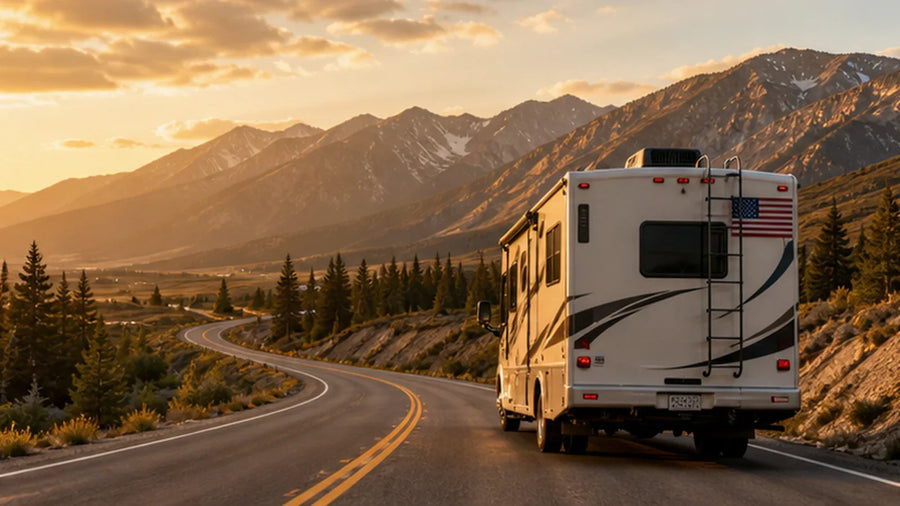 Camping & RV
RV CPAP Battery Solution: Guide to Powering Your CPAP While Camping
Compare DC and AC CPAP power for RV travel, understand runtime assumptions, and choose a battery setup for campground and boondocking nights.
Jul 7, 2026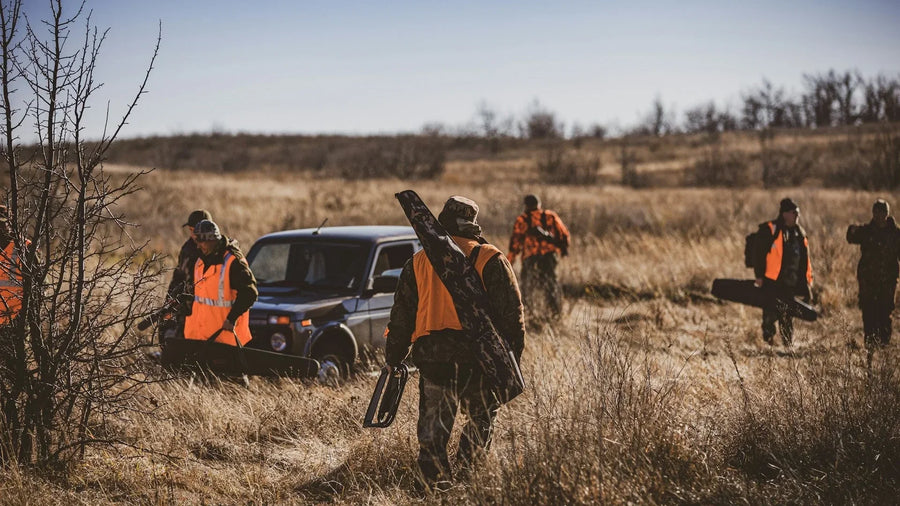 Camping & RV
How to Power Your CPAP at Hunting Camp with a CPAP Battery
Prepare CPAP power for hunting camp with a tested battery setup, cold-weather storage, the correct cable, and realistic recharging options.
Jul 7, 2026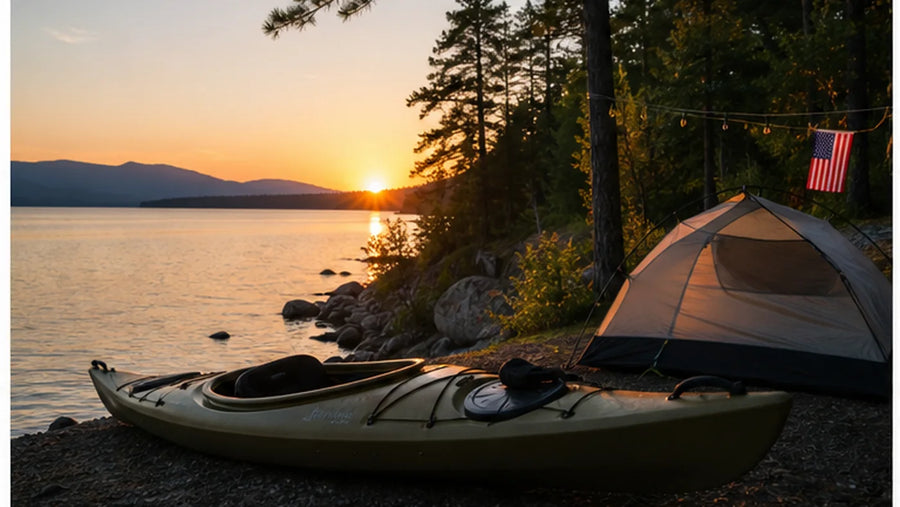 Camping & RV
CPAP Battery for Kayak Camping: Lightweight Overnight Power Tips
Balance battery weight, runtime, compatibility, and dry storage for kayak camping, with a practical checklist for your next overnight trip.
Jul 6, 2026