cpap adjustment

Is Your CPAP Pressure Too High? Signs and How to Adjust

Is Your CPAP Pressure Too High?

CPAP therapy works when the pressure is right. Too low and you still have apneas. Too high and you can't tolerate the machine — leading to mask leaks, bloating, and eventually giving up therapy altogether.

If you've been waking up with a sore stomach, fighting your mask, or feeling like the machine is "blowing too hard," your pressure may be too high. This guide walks you through the warning signs, when to talk to your doctor, and how a pressure adjustment can change your life. Important: never adjust pressure on your own — but knowing when to ask for help is the first step.

What "CPAP Pressure" Actually Means

CPAP pressure is measured in centimeters of water (cmH2O) and typically ranges from 4 to 20. Most patients fall between 8 and 12. Your prescribed pressure was determined during your titration sleep study — the level that successfully kept your airway open without unnecessary force.

Here's the catch: that pressure was set based on one night in a sleep lab. Bodies change. Weight changes. Sleep positions change. What was right two years ago may not be right today.

7 Signs Your CPAP Pressure Is Too High

If you experience two or more of these regularly, talk to your sleep doctor about a pressure check:

1. Stomach bloating or aerophagia

When pressure exceeds what your airway needs, air can be forced into your stomach. You wake up bloated, gassy, and uncomfortable. This is the #1 sign of pressure that's too high.

2. Persistent mask leaks

Higher pressure pushes harder against your mask seal. If you've had your mask refitted multiple times and still get leaks — especially around the nose bridge — pressure may be the cause, not the mask.

3. Trouble exhaling

If breathing out feels like fighting the machine, the pressure is too high for comfortable breathing. Many CPAP machines have an "EPR" (Expiratory Pressure Relief) feature that can help — but if EPR is already at maximum and exhaling still feels hard, your base pressure needs adjustment.

4. Dry mouth or sore throat in the morning

Some morning dryness is normal, especially in winter. But if it's severe and persistent, the high airflow from elevated pressure may be the cause. A humidifier helps, but pressure adjustment may help more.

5. Difficulty falling asleep with the mask on

If you used to fall asleep fine but lately feel like the machine is "too much," pressure creep is often the issue — especially with auto-adjusting (APAP) machines that have widened their range over time.

6. Anxiety or claustrophobia returning

Many users adapt to CPAP within weeks. If those feelings come back months or years in, the equipment isn't the problem — it's how it's behaving. High pressure can trigger this.

7. Waking up frequently during the night

If your sleep is fragmented and you can't pinpoint why, check your AHI on your CPAP app. Counterintuitively, very high pressure can cause "central apneas" (your brain forgets to breathe briefly) — which fragments sleep without obvious cause.

Important: Never adjust CPAP pressure on your own. The settings menu is locked behind a clinician password for a reason — wrong pressure makes your therapy ineffective and can be dangerous. Always work with your sleep doctor or DME provider.

What Causes Pressure to Become "Too High"?

Several common reasons pressure that worked perfectly before now feels too aggressive:

Is Your CPAP Pressure Too High? - weight loss healthy lifestyle

  • Weight loss. If you've lost 10–15+ pounds since your titration, your airway needs less force to stay open. Many users get a pressure reduction after sustained weight loss.
  • APAP machines drifting upward. Auto-titrating machines respond to events but don't reset baseline. Over months, the working pressure can creep higher than necessary.
  • Mask change. A new mask might fit better, meaning you no longer have leaks that were artificially making the machine work harder.
  • Position change. If you used to sleep on your back and now sleep on your side, you may need less pressure (side sleeping is easier on the airway).
  • Lifestyle changes. Reduced alcohol intake, treating allergies, or addressing nasal congestion can all reduce the pressure your airway needs.

How to Talk to Your Doctor About Pressure

Sleep doctors get a lot of vague complaints. Be specific. The more concrete data you bring, the faster they can help:

Is Your CPAP Pressure Too High? - doctor desk laptop stethoscope

  1. Pull your last 30 days of CPAP data. Open myAir, DreamMapper, or OSCAR and screenshot your AHI, mask leak rate, and average pressure. We covered the best apps for this in our sleep apnea apps guide.
  2. Note specific symptoms. "I wake up bloated 4–5 nights per week" is more useful than "the machine bothers me."
  3. Mention any life changes. Weight loss, new medications, mask changes — all relevant.
  4. Ask about a pressure reduction trial. Many doctors will lower pressure 1–2 cmH2O for a 30-day trial and see how you feel.

Most pressure adjustments are done remotely now — your DME (durable medical equipment) supplier can update settings via the cellular modem in modern machines. No appointment needed in many cases.

Quick Wins You Can Try Tonight

While you wait to see your doctor, a few things may help you tolerate higher pressure:

  • Enable Ramp. Most machines have a "ramp" setting that starts low and gradually increases over 20–45 minutes — letting you fall asleep before full pressure kicks in.
  • Increase EPR (Expiratory Pressure Relief). ResMed machines reduce pressure when you exhale. Set EPR to 2 or 3 if you're allowed to access this. It makes exhaling much easier.
  • Try sleeping on your side. Side sleeping reduces airway collapse, often allowing comfortable use at lower effective pressure.
  • Check your mask seal. A leaking mask makes the machine work harder. A tight seal means lower effective pressure.
  • Raise the head of your bed slightly. A wedge pillow or 4-inch bed riser can reduce required pressure for many users.

Don't stop using your CPAP. Even if pressure feels uncomfortable, skipping therapy is worse than tolerating it for a few more nights until your doctor adjusts settings. A reliable battery backup like the ES720 PRO ensures you don't have an excuse to skip nights during power outages either.

Frequently Asked Questions

Can I adjust my CPAP pressure myself?

Technically, the settings can be unlocked with a clinician menu code (which is widely available online), but you should not. Your prescribed pressure is based on a clinical study of your sleep. Wrong settings make therapy ineffective at best and dangerous at worst. Always work with your sleep doctor.

How often should I get my CPAP pressure re-evaluated?

Annually for most users. More often if you've had significant weight changes, switched masks, started new medications, or noticed any of the warning signs above. Many sleep doctors offer remote pressure adjustments without a new sleep study.

Will a humidifier reduce the discomfort of high pressure?

A humidifier helps with dryness symptoms (dry mouth, sore throat, nasal irritation) but doesn't address the actual pressure issue. If aerophagia or mask leaks are your main symptoms, humidification won't fix them.

Should I switch to a BiPAP machine?

BiPAP (bilevel) machines use two pressures — higher when you inhale, lower when you exhale — making higher pressures much more tolerable. If your prescribed CPAP pressure is above 15 cmH2O and you're struggling, ask your doctor whether BiPAP would be more comfortable. It's a common upgrade for users with high-pressure prescriptions.

If my pressure is too high, am I making my apnea worse by not using CPAP?

Yes. Skipping CPAP because pressure is uncomfortable is far worse than tolerating discomfort while you wait for adjustment. Untreated sleep apnea raises blood pressure, increases stroke risk, and damages cardiovascular health. Use the machine, contact your doctor, and address the comfort issue while staying compliant.

Stay on therapy, every night

Don't Let Anything Stop Your Therapy

Working out the right pressure takes time and patience. Make sure power outages aren't another reason to skip a night — a CPAP battery backup keeps your therapy uninterrupted.

Reading next

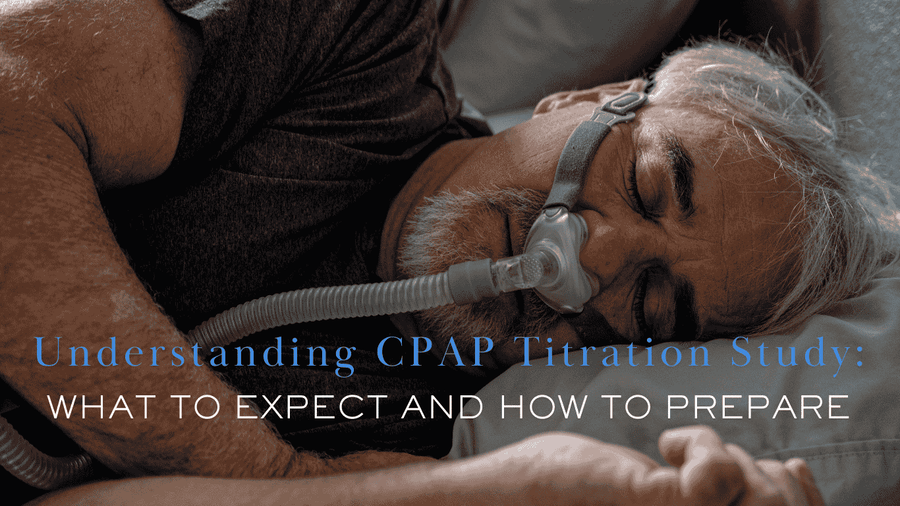
Older man sleeping on side wearing CPAP mask, text about CPAP titration study and preparation

Leave a comment

All comments are moderated before being published.

This site is protected by hCaptcha and the hCaptcha Privacy Policy and Terms of Service apply.