

Everything You Need to Know About CPAP Therapy for Sleep Apnea
Learn how CPAP treats obstructive sleep apnea, what benefits and side effects to expect, and how to plan compatible backup power.
By EASYLONGER · Feb 20, 2025 ·

Quick answer: Use this guide for education and for preparing questions for your clinician. Sleep-apnea symptoms, diagnosis, PAP settings, and treatment decisions should be reviewed with a qualified healthcare professional.

Sleep apnea is a serious sleep disorder that affects millions worldwide. Breathing interruptions fragment sleep and create health risks. Obstructive sleep apnea (OSA) is caused by airway blockage; central sleep apnea occurs when the brain does not signal breathing muscles.
One of the most effective OSA treatments is CPAP therapy—Continuous Positive Airway Pressure—providing steady airflow to keep airways open. Below, we cover how CPAP works, its benefits, side effects, and why it matters, plus how a reliable CPAP battery supports therapy on the go.
What Is CPAP Therapy?
CPAP uses a continuous stream of air to prevent airway collapse during sleep. In OSA, throat muscles relax and narrow the airway, causing pauses. CPAP gently blows air to keep the airway open for uninterrupted breathing.
A CPAP setup typically includes:
- The machine: Generates airflow.
- A hose: Connects machine to mask.
- The mask: Usually worn over the nose, or over both the nose and mouth, to deliver air.
Optional accessories include humidifiers for moisture and CPAP batteries for travel or outages.
How Does CPAP Therapy Work?
CPAP keeps the airway open at a prescribed pressure. That setting is individualized and is not determined by apnea severity alone. PAP device types include:
- Standard CPAP: Fixed continuous pressure.
- Auto-CPAP (APAP): Automatically adjusts pressure to breathing changes.
- BiPAP: Higher pressure on inhale, lower on exhale for easier breathing out.
Consistent airflow reduces apneas/hypopneas and restores restful sleep.
Benefits of CPAP Therapy
1. Improved sleep quality
Prevents frequent waking and breathing pauses, enabling deeper, restorative sleep and reducing daytime fatigue.
2. Better daytime alertness
Less daytime sleepiness leads to more energy, focus, and productivity.
3. Reduced risk of health complications
CPAP can help manage sleepiness and sleep-related quality of life, and may help blood pressure in people with OSA and hypertension. A reduction in every cardiovascular or metabolic complication is not guaranteed.
4. Improved mental health
Better sleep can ease irritability, anxiety, and depression driven by chronic sleep loss.
CPAP Therapy for Children
Children may need CPAP when recommended by a pediatric sleep specialist. Mask fit, pressure and follow-up must be tailored to the child; other treatments may be appropriate depending on the cause.
CPAP Therapy and Its Side Effects
Common early side effects include:
- Nasal congestion or dryness: Use a humidifier to add moisture.
- Skin irritation or pressure sores: Ensure proper mask fit and regular cleaning.
- Air leaks: Adjust fit to avoid leaks and maintain effectiveness.
- Claustrophobia: Try different mask styles (e.g., nasal pillows) to improve comfort.
The Role of CPAP Batteries
For travelers or those in outage-prone areas, a CPAP battery is invaluable. A compatible battery can support an overnight power plan after checking the machine, cable and required runtime. Car charging is available only with supported input specifications and the correct adapter.
Conclusion: Why CPAP Therapy Is Essential
CPAP can reduce obstructive breathing events and daytime sleepiness. Work with your care team on comfort and follow-up, and use a compatible backup-power plan for travel or outages when needed.
Sources
When to involve your care team
Contact your sleep clinician or equipment provider if symptoms continue, your mask leaks, treatment feels uncomfortable, or you are considering pressure or therapy changes. Do not use a blog post as a substitute for diagnosis or individualized medical advice.
Continue learning
Review the sleep-apnea library and the CPAP-therapy library for related education and practical questions to discuss with your care team.
Run the numbers for your CPAP.
Pick your machine and settings. The calculator shows nights for every battery.
Keep reading
 CPAP & sleep health
Is Your CPAP Pressure Too High? Signs and When to Contact Your Clinician
Recognize CPAP discomfort, check mask and equipment issues, and prepare useful observations for your clinician without changing prescribed pressure.
May 4, 2026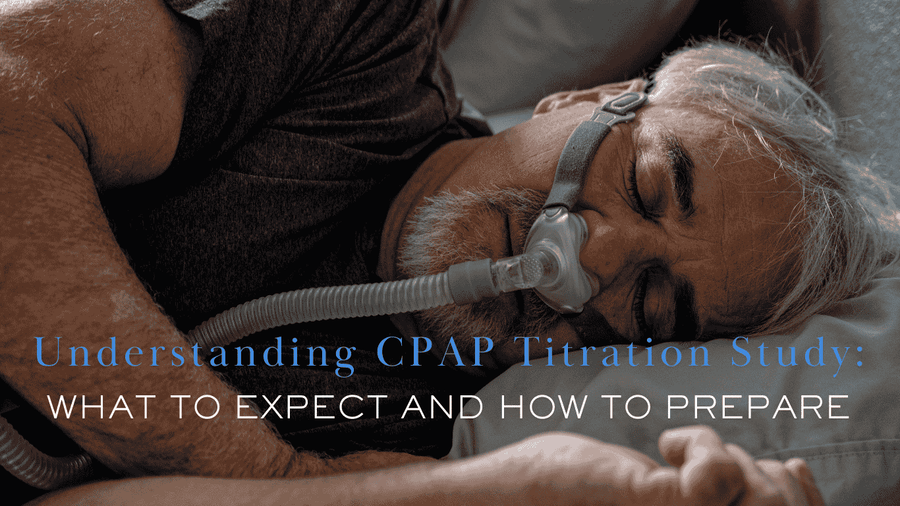 CPAP & sleep health
Understanding CPAP Titration Study: What to Expect and How to Prepare
Learn what happens during a CPAP titration study, how to prepare, and how your clinician uses the results to plan therapy.
Mar 14, 2025 CPAP & sleep health
Are Micro CPAP Machines Real? What You Need to Know About Maskless Sleep Apnea Solutions
Understand the difference between maskless micro-CPAP claims and prescription travel CPAP machines, and what to verify before buying.
Jan 2, 2025