

Why You Need a CPAP Battery for Air Travel

Most airlines do not guarantee outlet access. The U.S. Department of Transportation recommends carrying battery power for 150% of flight time. For a six-hour flight, plan for at least nine hours of CPAP runtime.
The FAA allows lithium-ion batteries under 160Wh in carry-on baggage, which covers most CPAP-specific portable batteries like the EASYLONGER ES400 AIR.
CPAP Batteries and Springtime Travel
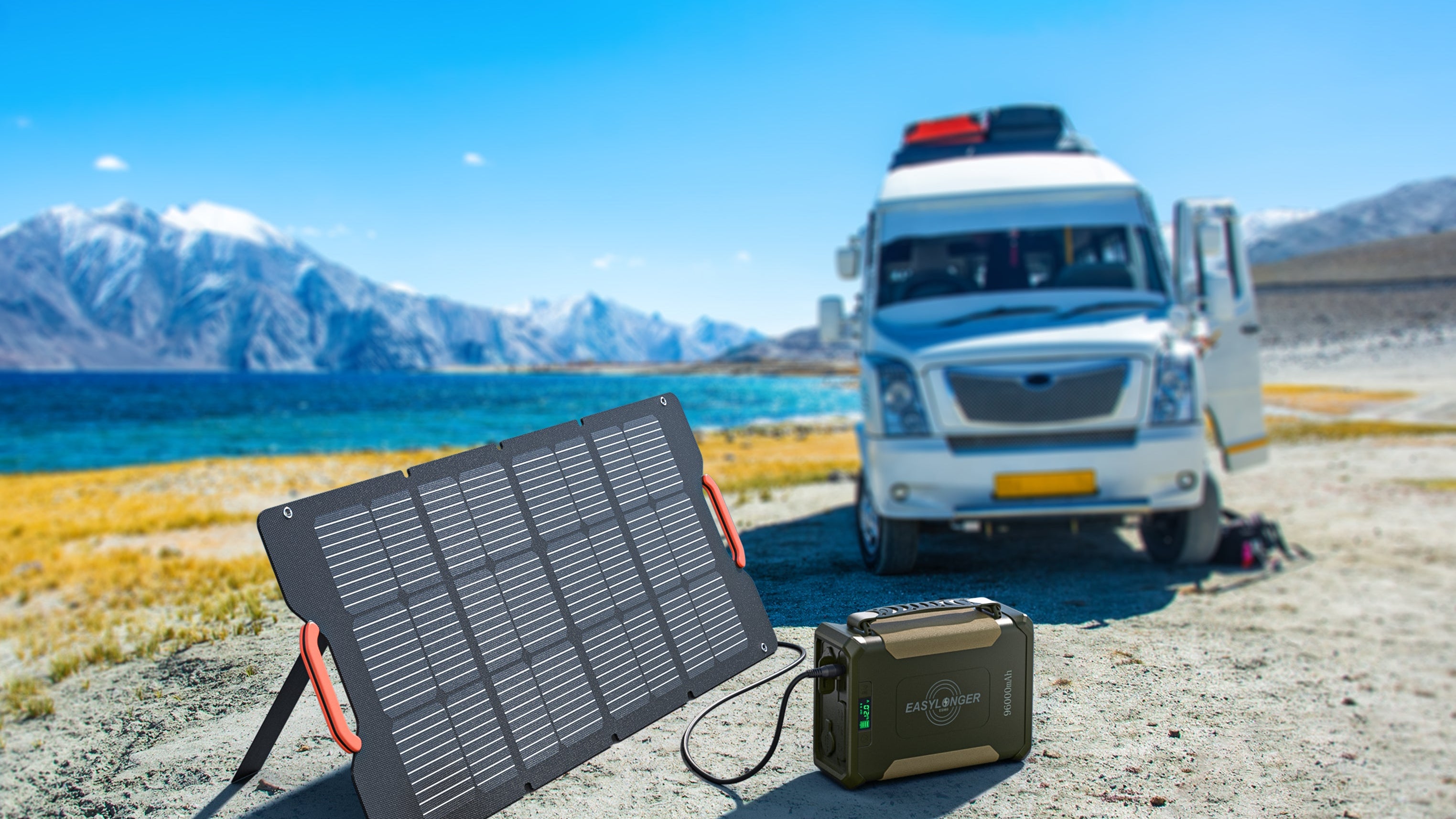
Spring storms can trigger outages, and RV or cabin trips often lack reliable power. A portable CPAP battery keeps therapy running off-grid and serves as a home backup.
Choosing the Right CPAP Battery: What to Look For
- FAA-compliance: Under 160Wh for carry-on.
- Compatibility: Works with leading models (ResMed, Philips, etc.).
- Capacity: 100Wh+ for overnight use.
- Fast recharging: AC, car, solar.
- Pass-through charging to prevent shutdowns.
- USB-C/USB-A ports for other devices.
- BMS safety: Overcharge, short-circuit, temperature protection.
- FSA/HSA eligible for tax-advantaged purchase.
Don’t Let CPAP Limit Your Lifestyle
About 30 million Americans have sleep apnea, yet many avoid trips or flights over therapy worries. With a dependable travel CPAP battery, you can keep flying, camping, and visiting family without sacrificing sleep health.
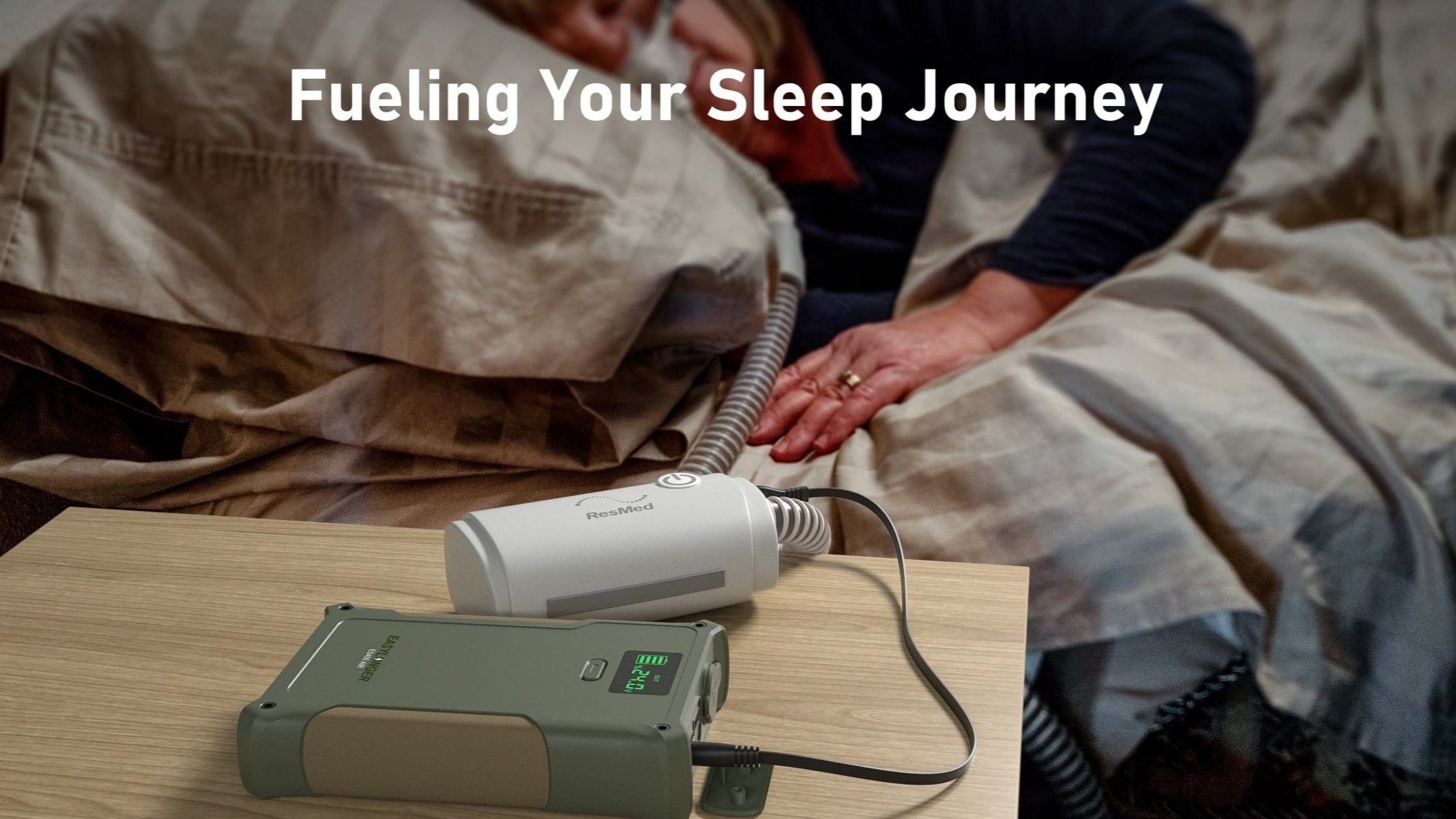
Our Recommendation: EASYLONGER ES400 AIR CPAP Battery
- FAA-compliant 148Wh capacity for flights.
- Pass-through charging for uninterrupted therapy.
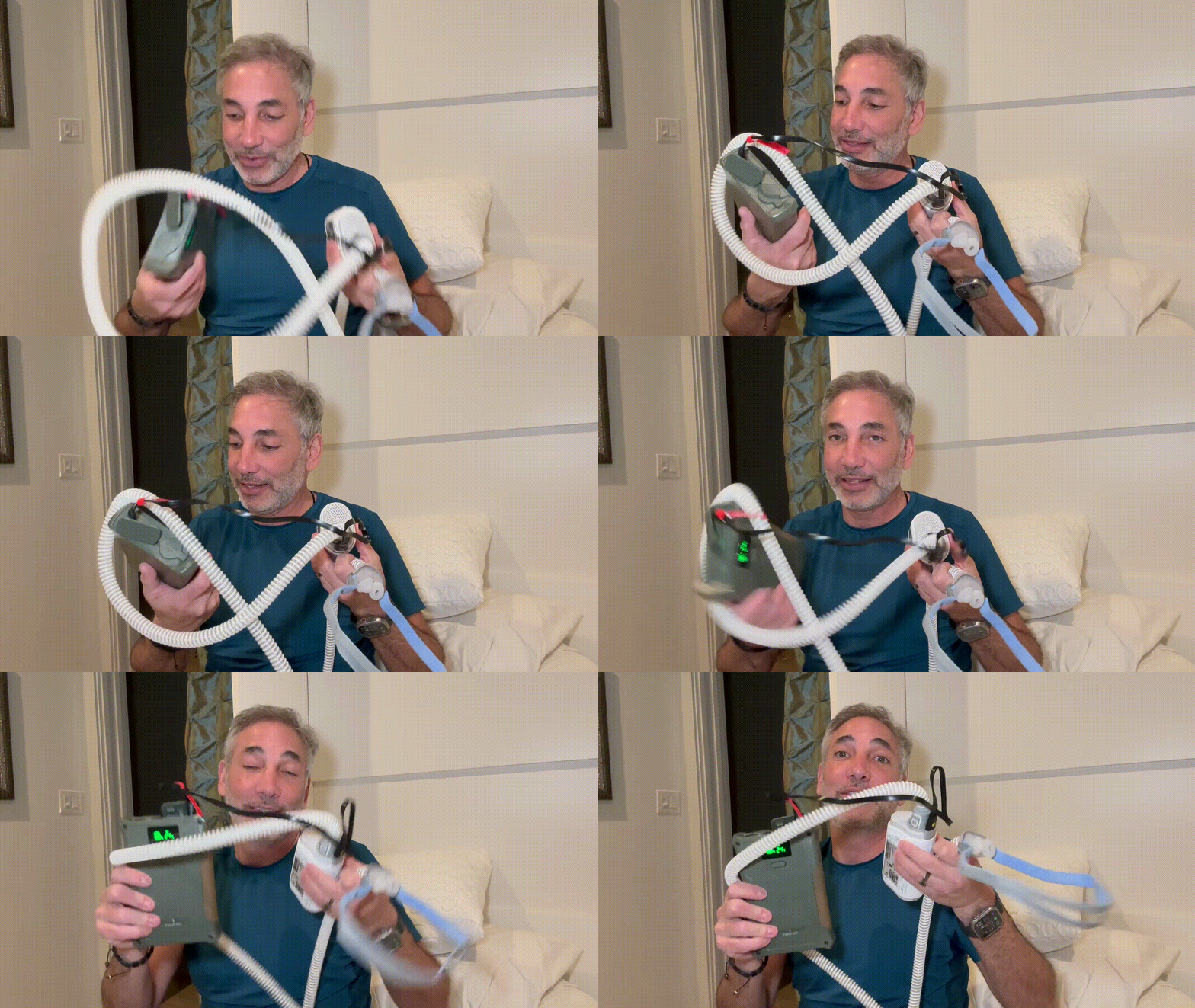
- Four CPAP cables included: ResMed S9, AirSense 10, AirCurve 10, AirSense 11, AirMini, Philips DreamStation/2.
- Three recharge options: AC, car, or solar (panel not included).
- USB-C, USB-A, and 160W car socket for other devices.
- Built-in protections via BMS.
Whether you are flying, camping, or preparing for outages, the ES400 AIR is compact, powerful, and ready for travel.