


Picture this: It’s 2:00 AM. A intense summer storm has been rumbling across the Texas plains or battering the Florida coast for hours. Suddenly—Thunder shakes the house. The streetlights blink out. The hum of the refrigerator dies.
For most people, a power outage is a mere inconvenience—no Wi-Fi, no AC, maybe some spoiled milk. But for users of CPAP, BiPAP, or ASV machines, it’s more than just inconvenient. The silence is terrifying.
The sudden stop of airflow isn’t just uncomfortable; it triggers a deep, primal panic known as "air hunger" caused by re-breathing exhaled CO2. Lying there in the dark, mask on, you wonder: Can I sleep tonight? Will my backup battery actually last until morning?
II. The Energy Vampires: Why Your Battery Died So Fast
Let’s look at the data. Most users don't realize that the Heated Humidifier and Heated Tube are massive energy consumers. According to bench tests performed on standard ResMed AirSense 10 units:
Draws approx. 5-10 Watts per hour.
Draws approx. 40-60 Watts per hour.
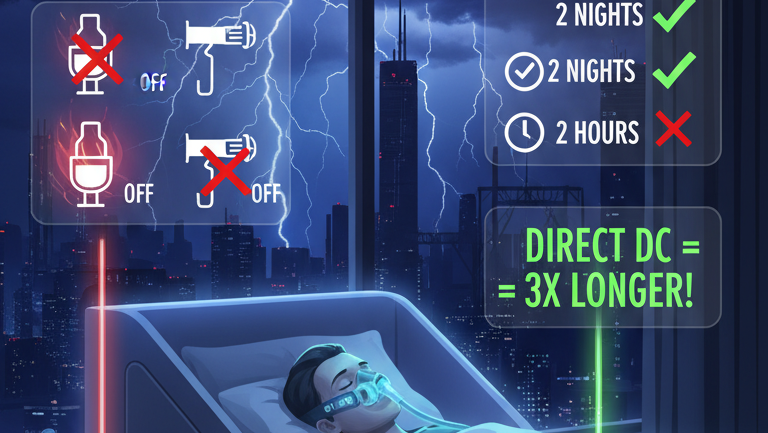
That is a 300% to 400% increase in power consumption. Turning these features on effectively cripples your runtime, turning a multi-night battery into a 2-hour brick.
"During Hurricane Ian, Mark from Florida tried to run his AirSense 11 with the humidifier on max using a generic 300Wh power station. It lasted 90 minutes. After switching to 'Airplane Mode' (heaters off) and using a DC cable the next night, the same battery lasted him two full nights."
The Professional Advice: When the power grid fails, your first line of defense is brutally simple: Turn your humidifier and heated tube to "Off" immediately.
III. The Efficiency Trap: AC vs. DC
This is where things get technical, but stay with me. Your wall outlet provides AC (Alternating Current). Your battery stores DC (Direct Current). Your CPAP machine naturally runs on DC.
When you plug your CPAP's standard wall plug into a portable battery's AC outlet, you force a wasteful double-conversion process:
This inefficient loop causes a 20-30% power loss due to heat generation. The solution? Use a DC Converter Cable. This creates a direct "highway" from the battery to the machine, bypassing the conversion toll booths entirely.
IV. The Compatibility Nightmare (Solved)
Here lies the frustration for many: finding that specific DC cable. Generic power stations found at hardware stores are built for laptops and phones, not medical devices. They rarely come with the 24V cable for a ResMed or the 12V cable for a Philips DreamStation.
This is why specific solutions like EASYLONGER have become a staple in the CPAP community. Unlike generic tech brands, they understand the medical necessity.
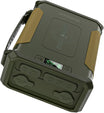
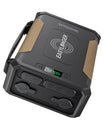
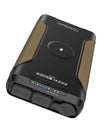
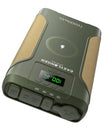
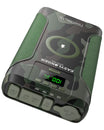
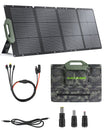
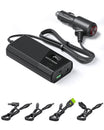
Why it matters: EASYLONGER batteries (like the ES960) include the specific DC cables for major machines—AirSense 10/11, AirMini, and DreamStation—right in the box. No hunting for aftermarket dongles, no voltage anxiety. Just plug and sleep.
V. Your "Power Outage Protocol" Checklist
Take Action Today
Don't wait for the next storm warning to test your setup. Secure a reliable backup power source like EASYLONGER to guarantee your peace of mind.
Shop CPAP Compatible Batteries


Dejar un comentario
Todos los comentarios se revisan antes de su publicación.
Este sitio está protegido por hCaptcha y se aplican la Política de privacidad de hCaptcha y los Términos del servicio.