




Sleep apnea is a serious sleep disorder that affects millions worldwide. Breathing interruptions fragment sleep and create health risks. Obstructive sleep apnea (OSA) is caused by airway blockage; central sleep apnea occurs when the brain does not signal breathing muscles.
One of the most effective OSA treatments is CPAP therapy—Continuous Positive Airway Pressure—providing steady airflow to keep airways open. Below, we cover how CPAP works, its benefits, side effects, and why it matters, plus how a reliable CPAP battery supports therapy on the go.
What Is CPAP Therapy?
CPAP uses a continuous stream of air to prevent airway collapse during sleep. In OSA, throat muscles relax and narrow the airway, causing pauses. CPAP gently blows air to keep the airway open for uninterrupted breathing.
A CPAP setup typically includes:
- The machine: Generates airflow.
- A hose: Connects machine to mask.
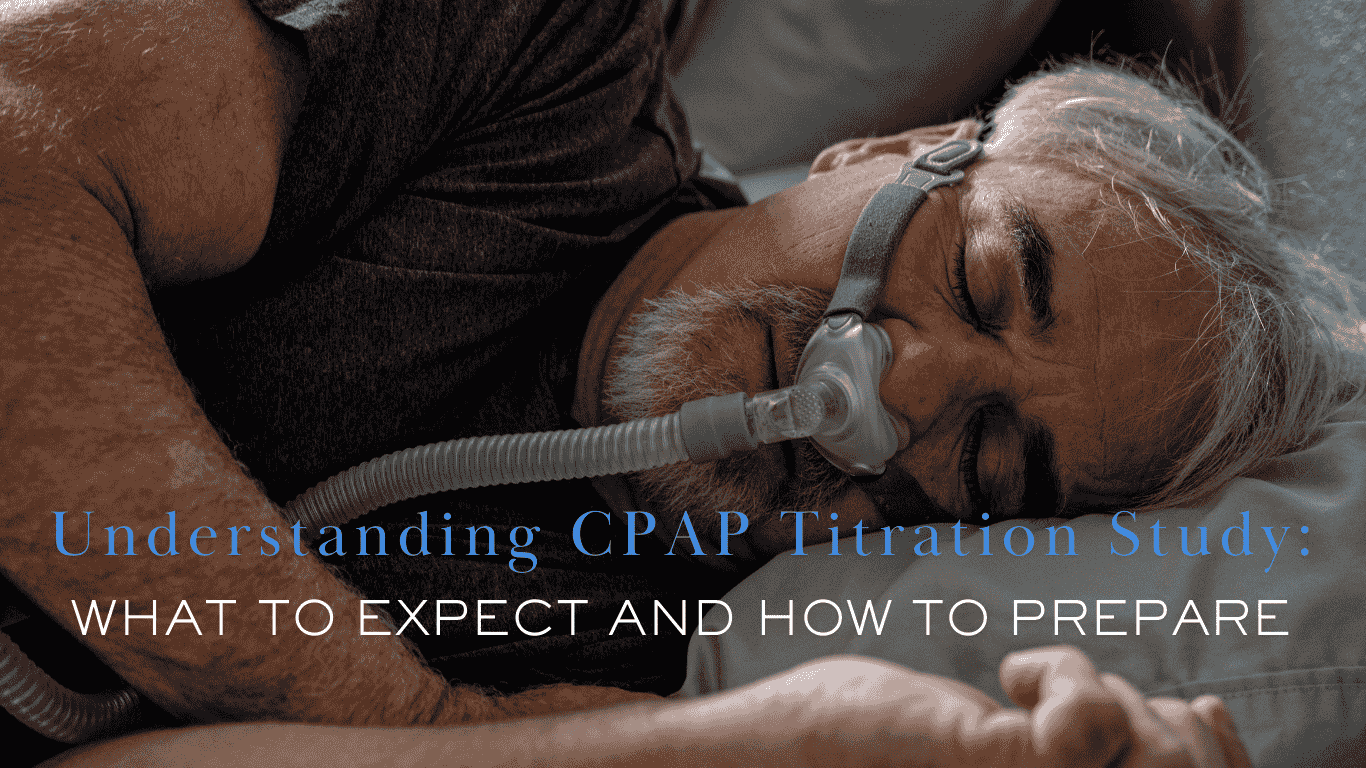
- The mask: Worn over nose or mouth to deliver air.
Optional accessories include humidifiers for moisture and CPAP batteries for travel or outages.
How Does CPAP Therapy Work?
CPAP keeps airways open with gentle air pressure set to apnea severity. Common machine types:
- Standard CPAP: Fixed continuous pressure.
- Auto-CPAP (APAP): Automatically adjusts pressure to breathing changes.
- BiPAP: Higher pressure on inhale, lower on exhale for easier breathing out.
Consistent airflow reduces apneas/hypopneas and restores restful sleep.
Benefits of CPAP Therapy
1. Improved sleep quality
Prevents frequent waking and breathing pauses, enabling deeper, restorative sleep and reducing daytime fatigue.
2. Better daytime alertness
Less daytime sleepiness leads to more energy, focus, and productivity.
3. Reduced risk of health complications
Untreated sleep apnea raises risk of hypertension, heart disease, stroke, and diabetes. CPAP lowers these risks (American Heart Association, 2020).
4. Improved mental health
Better sleep can ease irritability, anxiety, and depression driven by chronic sleep loss.
CPAP Therapy for Children
Children with sleep apnea can benefit from CPAP. Better sleep improves behavior and school performance (Carter et al., 2017). Pediatric therapy requires proper mask sizing and settings—work with a sleep specialist.
CPAP Therapy and Its Side Effects
Common early side effects include:
- Nasal congestion or dryness: Use a humidifier to add moisture.
- Skin irritation or pressure sores: Ensure proper mask fit and regular cleaning.
- Air leaks: Adjust fit to avoid leaks and maintain effectiveness.
- Claustrophobia: Try different mask styles (e.g., nasal pillows) to improve comfort.
The Role of CPAP Batteries
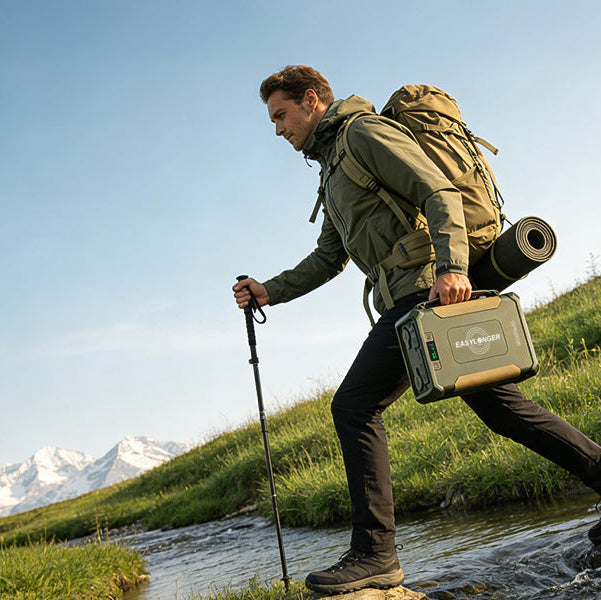
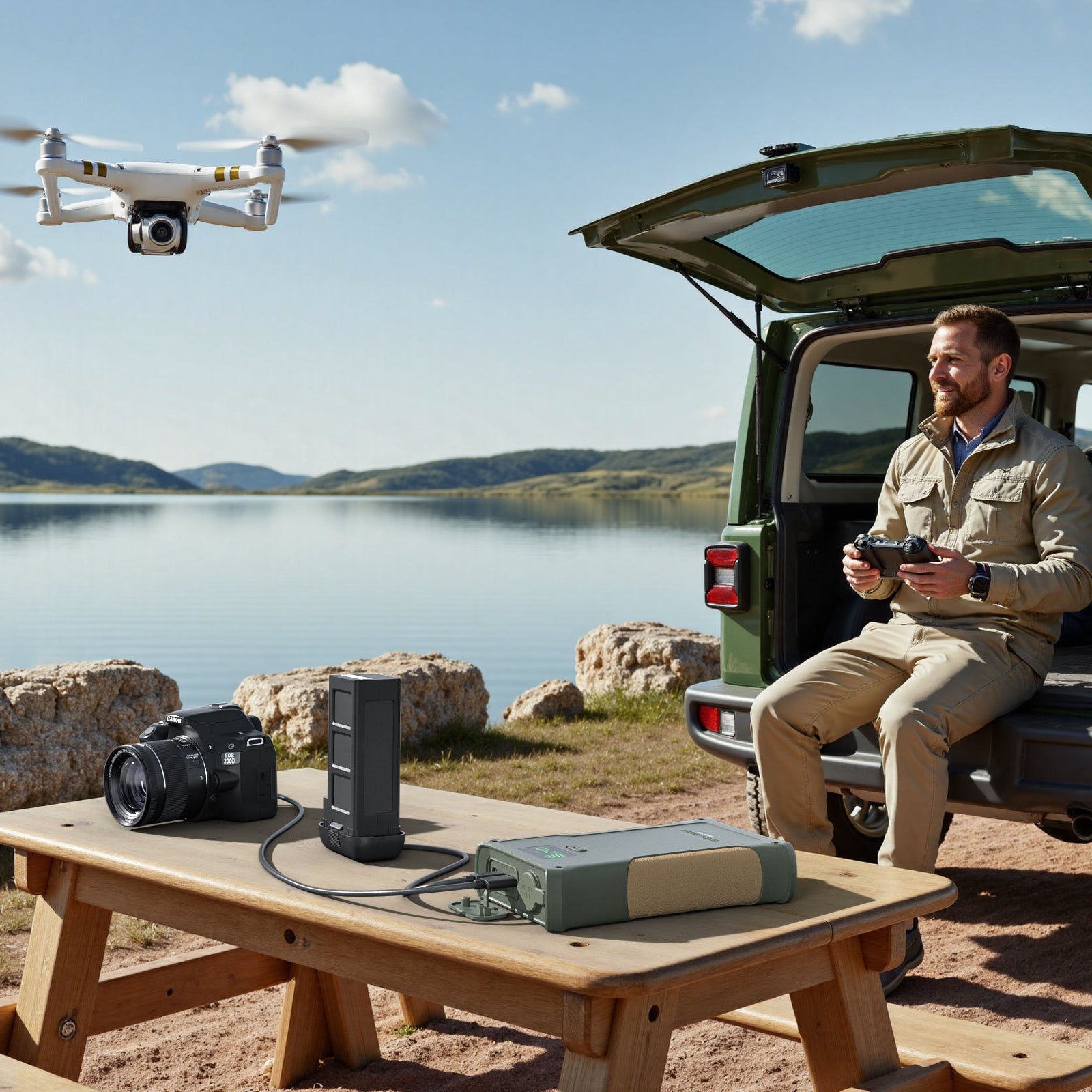
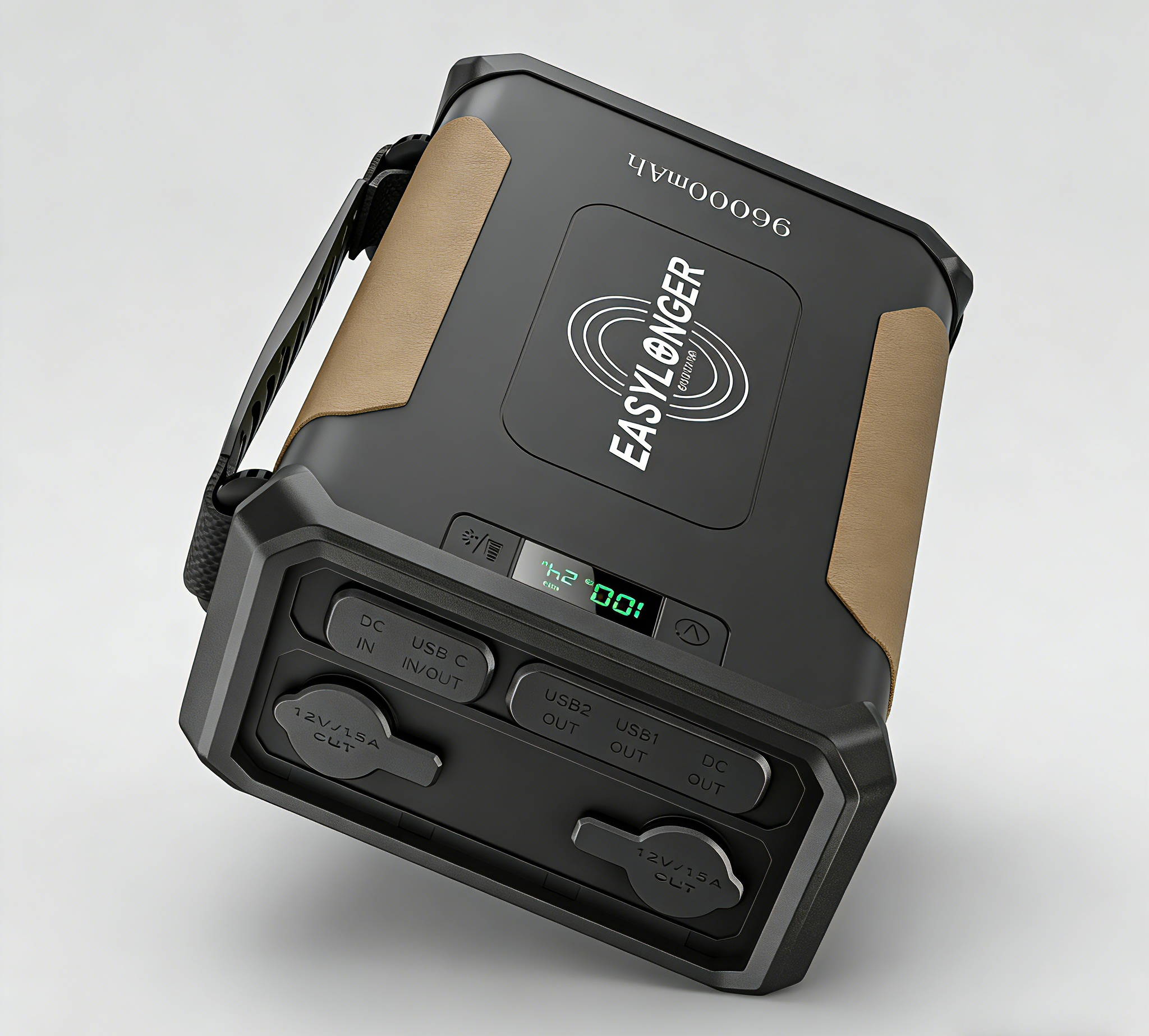
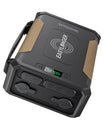
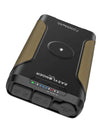
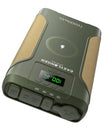
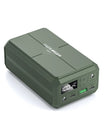
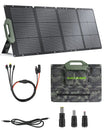
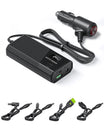
For travelers or those in outage-prone areas, a CPAP battery is invaluable. Portable, lightweight batteries power a full night’s sleep and often recharge via car adapter—ideal for trips and emergencies.
Conclusion: Why CPAP Therapy Is Essential
CPAP therapy is a game-changer for OSA—improving sleep quality, reducing fatigue, and lowering cardiovascular risk. Side effects are typically manageable, and benefits far outweigh initial discomfort. For moderate to severe apnea, CPAP can dramatically improve sleep quantity and quality. Pair therapy with the right machine settings and a dependable CPAP battery to stay treated, even when traveling.



Dejar un comentario
Todos los comentarios se revisan antes de su publicación.
Este sitio está protegido por hCaptcha y se aplican la Política de privacidad de hCaptcha y los Términos del servicio.