

Power Outage Survival: Why Every CPAP User Needs This Outdoor-Ready Backup Plan

Introduction: When the Lights Go Out, Your Breathing Shouldn’t
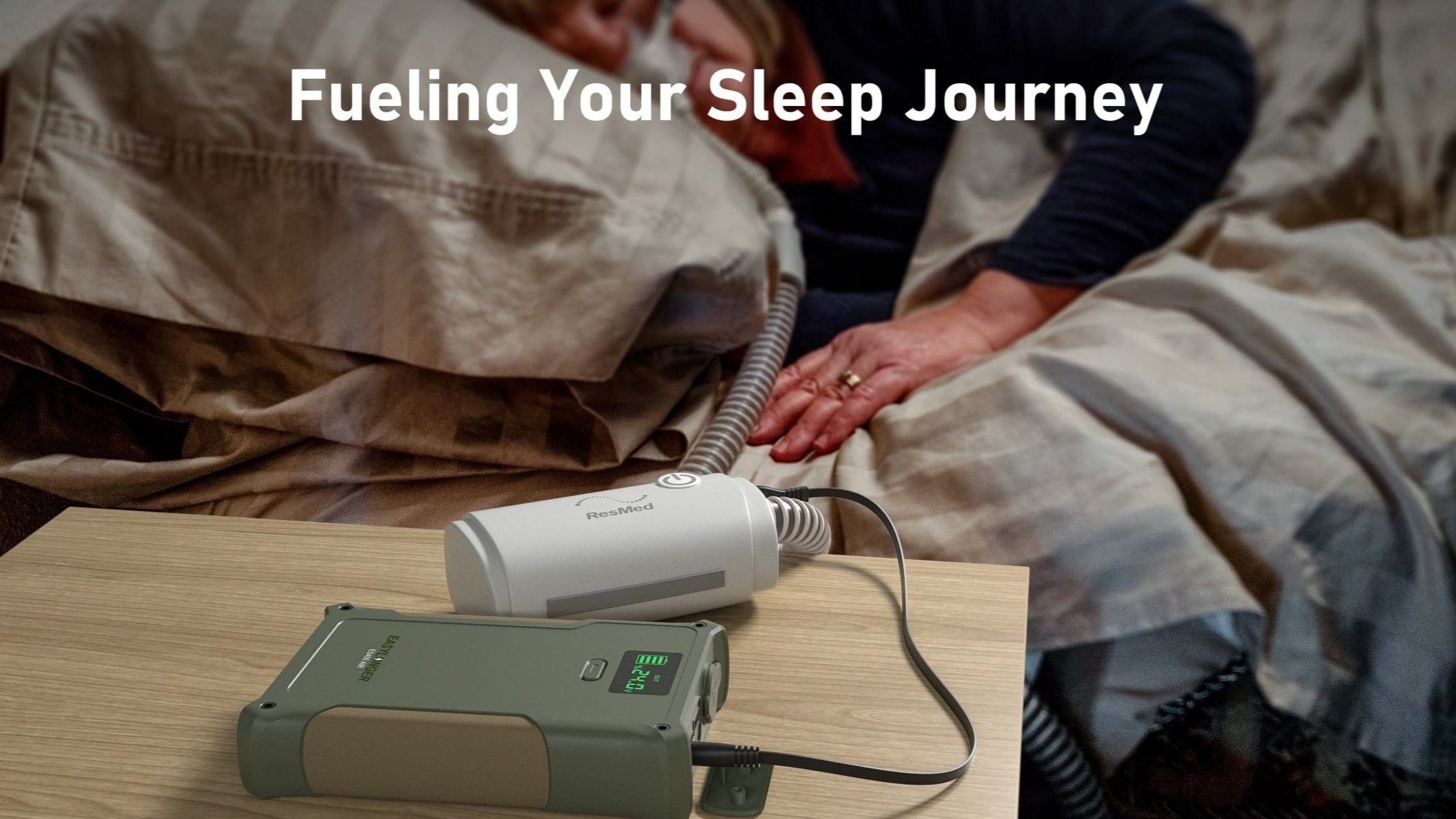
Hurricanes, storms, and off-grid camping can knock out power for days. If you rely on a CPAP machine, losing power is dangerous. The American Sleep Apnea Association notes untreated OSA raises stroke risk by 300% and heart attack risk by 30%. A CPAP battery backup is a lifesaving plan.
Part 1: Why You Need a CPAP Battery (Even If You Don’t Camp)
1. Natural Disasters Don’t Warn You First
- Fact: 83% of U.S. outages in 2022 were weather-driven (U.S. EIA).
- Risk: No power = no CPAP. OSA patients can stop breathing 30+ times per hour (NIH).
2. “But I Have a Power Bank…” Won’t Cut It
- CPAPs need high capacity: Typically 30–60W per hour—far beyond phone banks.
- Voltage matters: Many CPAPs need 24V DC, not 5V USB.
3. The Hidden Camping Crisis
- Many national parks have zero electrical hookups.
- 68% of CPAP users avoid camping due to power anxiety (SleepHealth Journal).
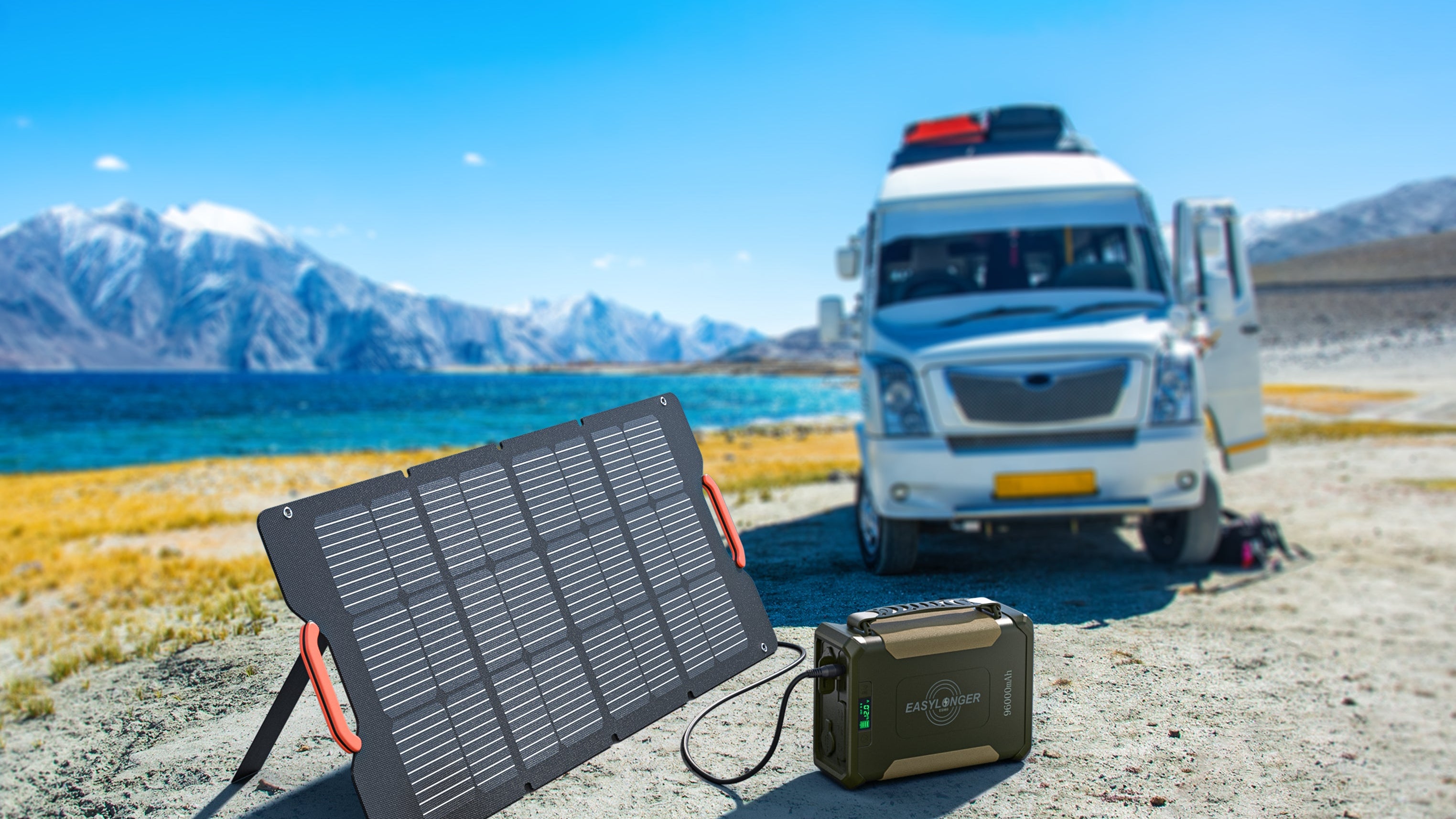
- Solution: A true CPAP battery for camping lets you sleep under the stars safely.
Part 2: Meet the Power Station Built for CPAP Emergencies
Key Features That Actually Matter
✅ 3+ nights of power (297.6Wh) for blackouts or RV trips.
✅ Works with most CPAPs: ResMed AirSense 11, DreamStation 2, travel models like AirMini.
✅ Charge anywhere: Wall outlet, car charger, or solar (great for an off-grid CPAP battery setup).
“But Will It Work With My Machine?”
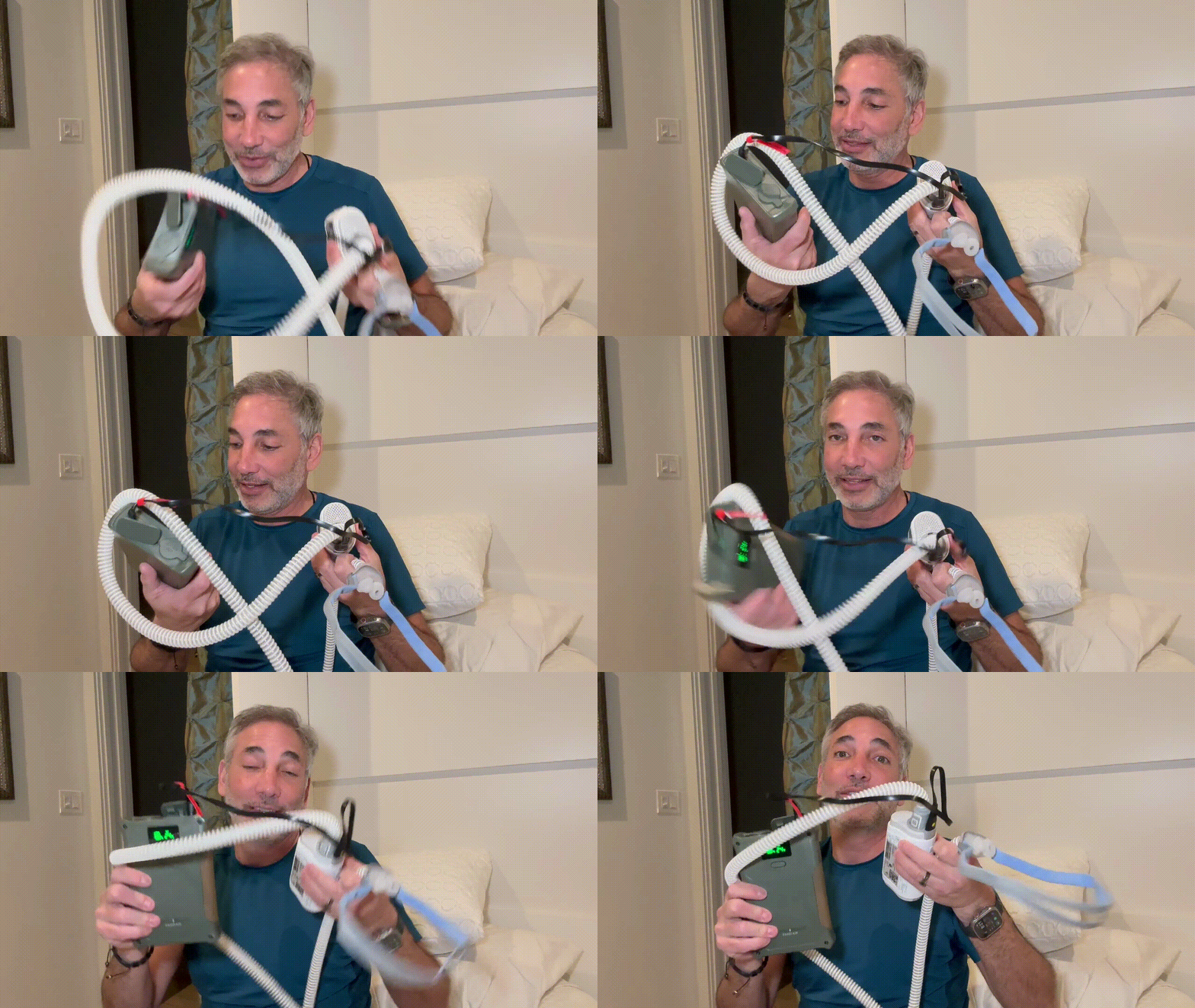
- ResMed S9/AirSense 10-11: Use included DC cables.
- Philips DreamStation: Compatible (humidifier off).
- Travel CPAPs (AirMini/Z2): Supported via USB-C PD.
Part 3: Beyond CPAPs—Your Ultimate Emergency Tool
This is more than a CPAP backup battery. It powers phones and laptops (10W wireless charging), runs car fridges or air pumps (up to 180W), and is solar-ready. Built with LiFePO4 cells—the same chemistry used in many EVs—for high safety and stability.
Final Verdict: Don’t Wait for the Next Storm
A portable CPAP battery is essential—like a smoke detector or first-aid kit.
3 Steps to disaster-proof your sleep:
- Test your CPAP on battery power before you need it.
- Store it charged—LiFePO4 holds charge for months.
- Pack it in your emergency kit.
References